NASA’s PUNCH mission can now accurately predict when solar storms will hit Earth
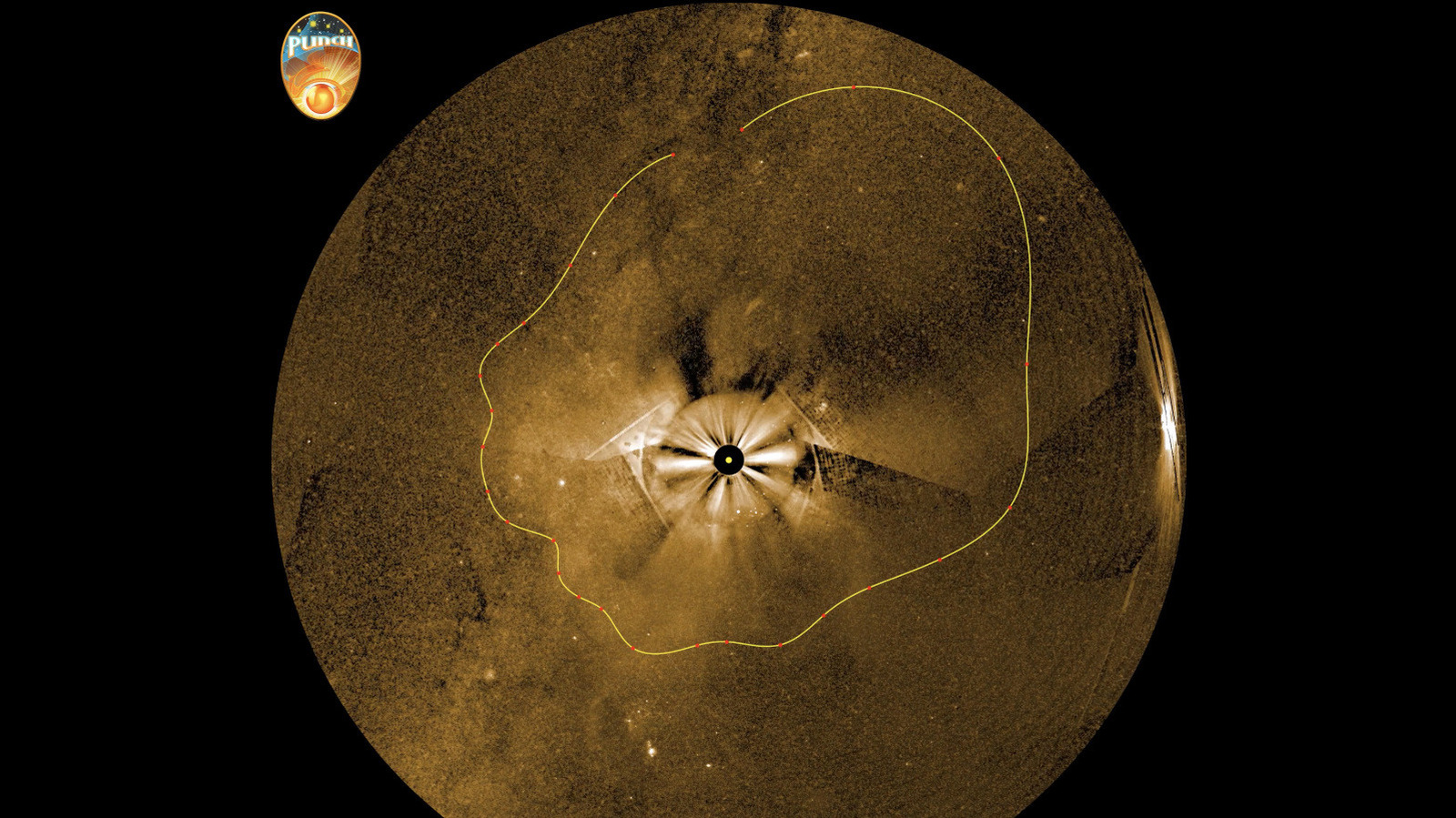
NASA's PUNCH mission has demonstrated it can accurately forecast when solar storms will strike Earth, marking a major step forward in space weather prediction. Using continuous imagery from its constellation of four microsatellites, the mission tracked a coronal mass ejection (CME) from the sun and predicted its arrival time on Earth to within half an hour, a substantial improvement on existing forecasting methods.
The test used data from a CME observed on 31 May 2025, with the model analysing the first 12 hours of the eruption to predict it would hit Earth eight hours later, a forecast that proved accurate to within 30 minutes. Current methods carry an error margin of around five hours, largely because previous instruments could only track roughly a fifth of a CME's journey, whereas PUNCH follows it the whole way, capturing images every four minutes. Better forecasts could help mitigate the effects of geomagnetic storms, which can cause radio blackouts, power outages and disruption to satellites and internet connections. The findings are an initial proof of concept, currently under review for publication in the journal Space Weather.
- PUNCH mission predicted a solar storm's arrival to within 30 minutes
- Far more accurate than current methods' five-hour error margin
- Better forecasts could help limit power, satellite and internet disruption