Nearly all women who try to reach UK in small boats are raped during their journey, home secretary says
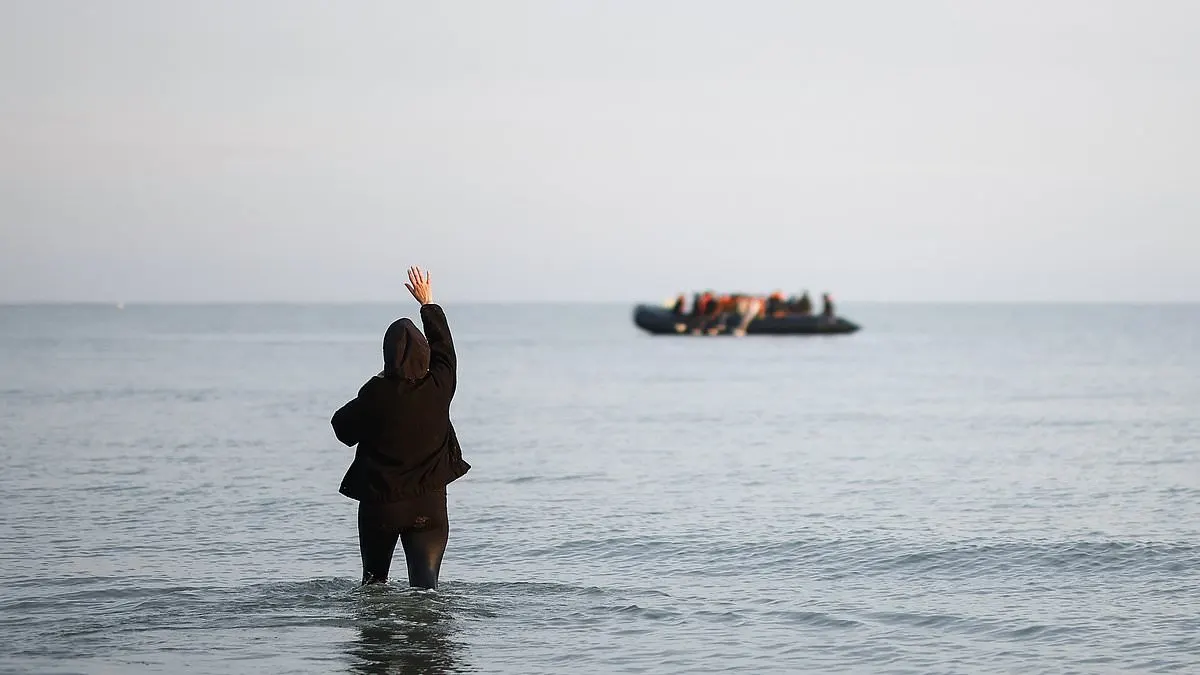
Home Secretary Shabana Mahmood has made serious claims about the dangers facing migrants attempting to reach the UK via small boats, stating that nearly all women from northern France are raped during their journeys. She attributed this to criminal gangs and traffickers who control migration routes, arguing that such criminal networks should not determine who reaches Britain and that the government must regain control of borders to prevent exploitation.
The statement came during an interview on The Rest Is Politics podcast and follows a clash between approximately 300 anti-migrant protesters and police on Sunday evening at Haslar Marina in Gosport, Hampshire, where 149 migrants arrived via a reported "new route." The migrants were rescued by the RNLI in a mid-Channel operation and transported to a processing centre in Kent. Mahmood also criticised anti-migrant demonstrators as "troublemakers" and commented on arrests of Palestine Action activists at the Labour Party conference, expressing discomfort with certain applications of the Terrorism Act.
- Nearly all women reaching UK by boat are raped during journey, Home Secretary warns
- 149 migrants arrived at Gosport; 300 anti-migrant protesters clashed with police
- Mahmood criticised protesters and commented on Palestine Action terrorism arrests
New here? Start with this
Small boat migration involves people attempting to cross the English Channel to reach the UK, typically using inflatable dinghies or other boats. These journeys have increased in recent years and are undertaken by people seeking safety or economic opportunity, though they carry serious risks including drowning and exploitation.
Criminal gangs and human trafficking networks organise these crossings, charging migrants substantial sums. Vulnerable people, particularly women and children, face significant risks of abuse and exploitation during these journeys controlled by criminal groups.
Small boat migration has become a significant political and social issue in the UK, sparking debate between those concerned about migrant welfare and those focused on border control. The government views preventing these journeys as part of tackling organised crime and immigration control, whilst human rights groups emphasise the humanitarian concerns and factors that drive people to undertake such dangerous crossings.
Both sides, in good faith
The strongest fair case each way — we don't pick a winner.
The case for
Preventing dangerous small boat crossings protects vulnerable migrants from exploitation by criminal trafficking networks. When people attempt these crossings, they become dependent on traffickers who subject them to abuse and extortion. By making these routes impossible and offering safe legal alternatives, governments can remove the economic incentive for trafficking and protect people from the harms these networks inflict.
The case against
Preventing boat crossings has consistently failed to deter migration; people simply find more dangerous alternative routes, putting them at greater risk. Rather than border enforcement that drives migrants toward traffickers, resources should support international cooperation against trafficking networks and the establishment of safe legal pathways for asylum seekers. Exploitation persists because conflict, persecution, and lack of legal options make people dependent on criminals; addressing these root causes is what actually prevents trafficking, not enforcement policies that leave vulnerable people with no safe alternatives.