Netflix’s Unabomber: Russell Crowe Examines Ted Kaczynski’s Path from Harvard Prodigy to Radical
Developing story first seen 2 hours ago
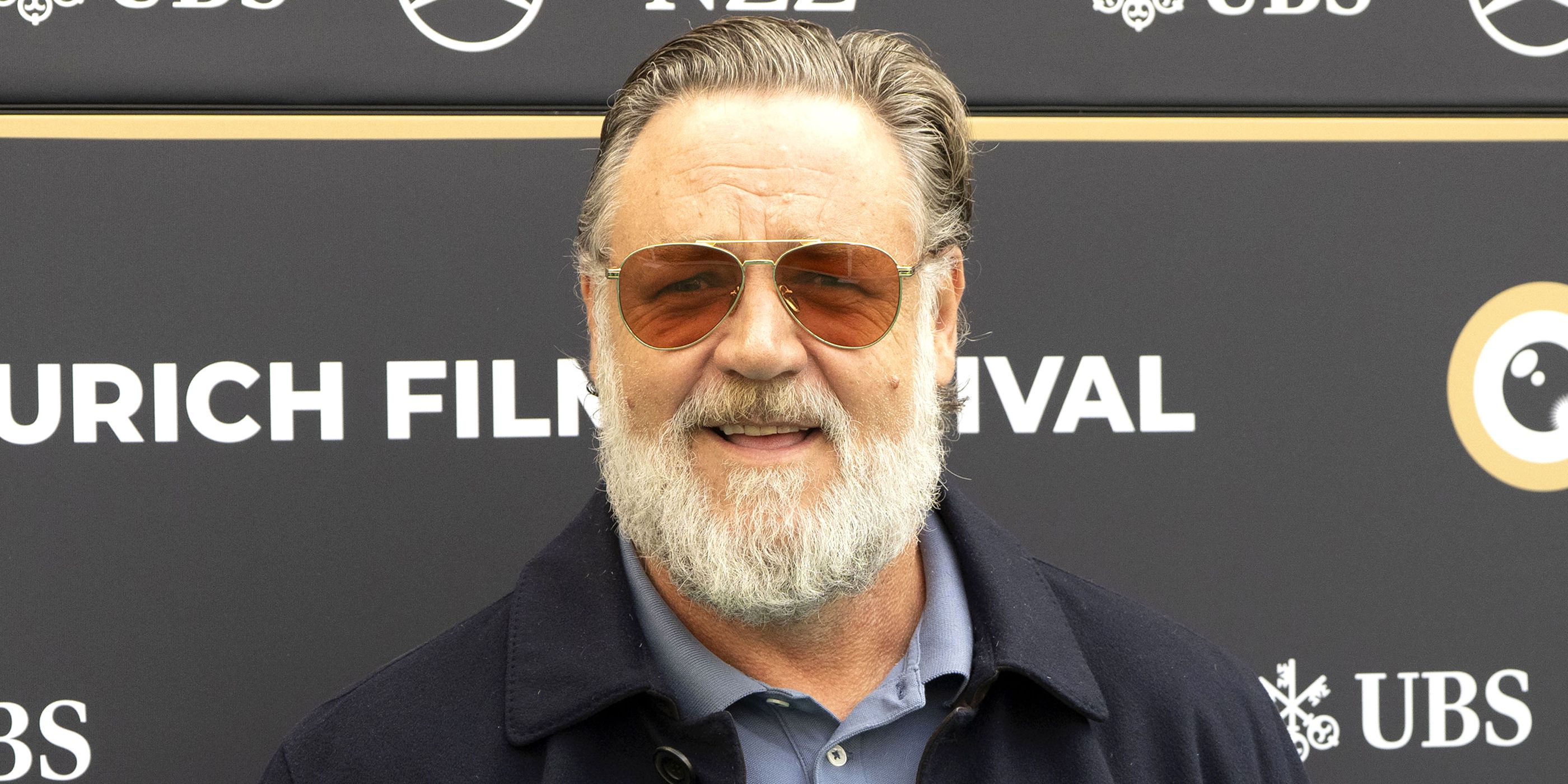
New coverage portrays Netflix’s Unabomber as an unconvincing psychological drama, criticising its simplistic explanation of Ted Kaczynski’s radicalisation and its formulaic investigation plot. Although the film creates an effective early Cold War atmosphere, its argument that a Harvard experiment fuelled Kaczynski’s later violence is presented as too neat and insufficiently supported.
Directed by Janus Metz, the film focuses on Kaczynski’s time at Harvard, where he was subjected to a controversial study led by psychology professor Henry Murray, while also following events before his 1990s arrest in Montana. Jacob Tremblay captures Kaczynski’s youth but reportedly fails to convey his developing menace, whereas Russell Crowe plays Murray as an apparently caring figure concealing sinister motives.
- Critics find the film’s explanation of Kaczynski’s radicalisation overly simplistic.
- Its Harvard and FBI narratives are seen as shallow and formulaic.
- Russell Crowe provides more persuasive menace than Jacob Tremblay.
New here? Start with this
Ted Kaczynski was an American mathematician who, from the 1970s through the 1990s, sent mail bombs that killed and injured dozens of people. He operated for nearly two decades before his capture in 1995, becoming known as the Unabomber—a name derived from the FBI's initial suspicion that his targets were universities and airlines. The case became one of the most significant criminal investigations in American history.
In the 1950s, while a student at Harvard University, Kaczynski participated in a psychology study led by professor Henry Murray. The study involved subjecting participants to intense psychological pressure and interrogation. Years later, some observers questioned whether this experience had contributed to Kaczynski's later violence and his anti-technology ideology, though this connection remains contested among experts.
A new Netflix film examines Kaczynski's life and explores what turned a brilliant young academic into a violent criminal, focusing in particular on his Harvard years and the controversial study. The question of radicalization—what transforms someone from a promising student into an extremist—has long fascinated researchers and the public alike. This film represents one of several recent attempts to understand this psychological shift.
Both sides, in good faith
The strongest fair case each way — we don't pick a winner.
The case for
The Harvard experiment was a documented psychological trauma that Kaczynski himself later referenced, making it a defensible focal point for dramatic exploration. Within cinema's constraints, concentrating on this formative institutional injury allows the film to examine how brilliant minds can be damaged and how such trauma shapes ideology. This narrative approach doesn't claim the incident explains everything, but rather dramatises a compelling causal thread worthy of serious artistic attention.
The case against
Kaczynski's radicalization developed across decades through reading, isolation, mathematical extremism, and deliberate ideological choices—not primarily from a single traumatic event. Emphasising the Harvard incident as the primary driver flattens this genuine complexity and presents a psychologically reductive explanation suggesting trauma straightforwardly produces violence, which misrepresents both the historical record and how radicalization actually develops. This narrative convenience is dramatically satisfying but potentially misleading about causation.
Coverage
- Collider — Russell Crowe Officially Returns to Netflix in 24 Hours
- The Hollywood Reporter — ‘Unabomber’ Review: Jacob Tremblay and Russell Crowe in a Facile Rendering of Ted Kaczynski’s College Days