New York Is Now The Capital Of Tech Jobs, Edging Out SF Bay Area For First Time In Annual Survey
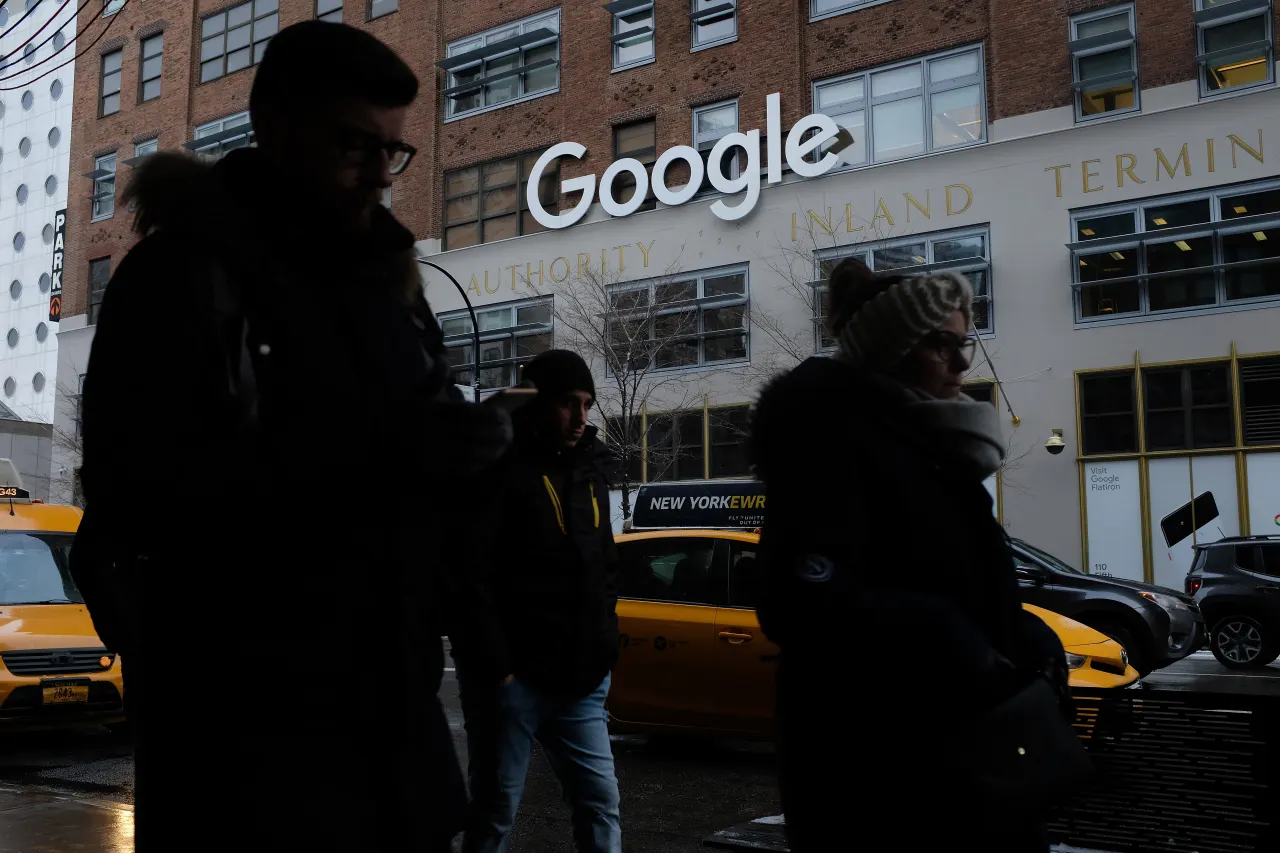
New York City has overtaken the San Francisco Bay Area to become the US market with the most tech jobs, according to commercial real estate firm CBRE's annual "Scoring Tech Talent" report. It is the first time New York has topped the ranking in the survey's 13-year history, a shift driven by heavy layoffs at Silicon Valley and San Francisco firms alongside continued hiring growth in New York's finance and AI sectors.
CBRE found New York now has 394,300 tech jobs against 375,730 in the Bay Area. The report notes that many AI roles require full-time, in-person work, favouring New York as it pushes to restore office occupancy after the pandemic; remote job postings in the Bay Area fell to just 7% by April 2026, down from 24% in mid-2022. Despite widespread cuts at firms including Meta, Amazon and Google, overall US tech employment still grew 1.8%, adding 108,760 jobs, with AI roles driving most of that growth after the sector expanded 45% over the past year; both New York and San Francisco each added more than 20,000 AI-related jobs.
- New York overtakes Bay Area as top US tech jobs market for first time
- AI's in-person work demands and NY office push behind the shift
- Overall US tech jobs still grew 1.8% despite big tech layoffs
New here? Start with this
New York and the San Francisco Bay Area have long been major centres for technology work in the United States. The Bay Area is home to Silicon Valley, where many large technology companies are based, while New York’s tech workforce is closely linked to its financial sector and, increasingly, artificial intelligence.
Tech job numbers can shift as companies expand, cut staff or change where people work. Artificial intelligence has become a growing source of new roles, while many employers are asking staff to work in person more often; that makes office-based cities relevant to the competition for tech workers.
The comparison matters because it shows how technology employment is spread across the country and how the kinds of jobs companies are hiring for can affect that balance. It also reflects changes in the relationship between technology firms, finance and office work.
Both sides, in good faith
The strongest fair case each way — we don't pick a winner.
The case for
This shift represents healthy geographical diversification of the tech industry. The Bay Area's decades-long dominance has created regional inequality and artificial concentration of opportunity. New York's emergence—driven by AI development and fintech innovation—demonstrates that transformative technology can flourish beyond Silicon Valley. A more geographically dispersed tech ecosystem strengthens the country by spreading economic benefits, attracting diverse talent, and reducing systemic vulnerability to regional disruption.
The case against
This snapshot from a single survey during a period of major Bay Area layoffs obscures the deeper realities of tech innovation leadership. The Bay Area retains dominant venture capital, established founder networks, and the ecosystem density that produces breakthrough technology. New York's growth reflects demand for finance-adjacent and office-dependent technical roles rather than foundational innovation. Conflating job numbers with genuine technological leadership mistakes hiring volume for meaningful ecosystem strength.