Next-gen AI networks may hinge on the telephone switchboard’s return
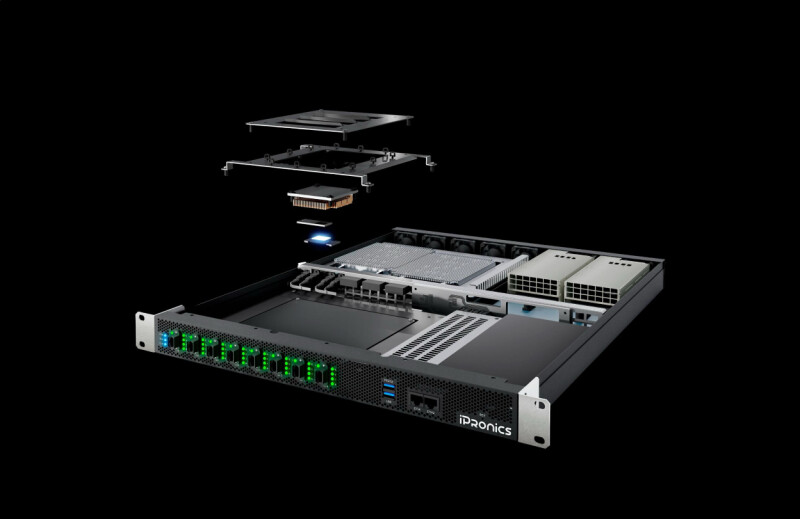
Nvidia and other AI hardware makers are betting big on optical circuit switching (OCS) to enable future data centre designs packing hundreds or thousands of accelerators into a single system. This matters because next-generation AI clusters need flexible, high-speed ways to reconfigure networks on the fly, and traditional packet-switching ASICs cannot fulfil this role alone, prompting a wave of investment into photonics firms and equipment makers.
On Wednesday, Nvidia joined Maverick Silicon and Light Street Capital in a $125 million funding round for photonics startup iPronics, building on Nvidia's earlier $6 billion investment in Coherent, Lumentum and Marvell in March. OCS appliances act like modern telephone switchboards, using mirrors, actuators or LCDs to physically reroute optical connections rather than switching data packets, a technique Google has long used in its TPU pods to resize clusters and swap out failed chips on demand. Existing MEMS-based OCS systems are bulky and slow, with reconfiguration times around 100 milliseconds, whereas iPronics claims its moving-parts-free, silicon photonics-based second-generation design can achieve sub-millisecond speeds and pack up to 720 port pairs into a single rack unit, far denser than rivals such as Coherent's 300-port switches.
- Nvidia and partners invest $125 million in photonics startup iPronics
- Optical circuit switches, likened to telephone switchboards, enable flexible AI cluster networking
- New silicon photonics design promises faster, denser switching than existing systems
AI Art Business Celebrity Companies Culture Entertainment Technology