Oil profits spike as Middle East war fuels energy prices and Trump blasts soaring earnings – business live
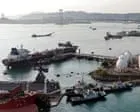
Oil giants including BP, ExxonMobil and Chevron have reported surging profits, driven partly by higher energy prices linked to the Middle East conflict, prompting a sharp rebuke from Donald Trump and condemnation from environmental campaigners. Trump said the companies should "give some of that profit back to the public" and cut consumer fuel prices, while the windfall earnings have landed amid a summer of extreme weather across the UK and Europe, intensifying criticism that the industry is profiting from a crisis it helped cause.
BP's new chief executive, Meg O'Neill, defended the company's results, telling CNBC that BP's prices are tied to global commodity markets rather than company decisions, and pointed to efforts to boost jet fuel and diesel output amid tighter supply. The profits come as half of England and all of Wales face official drought, with July set to be the driest month on record and the third such drought event in five years, while wildfires have swept Spain and France since early July, killing people and forcing more than 300,000 to flee. Greenpeace campaigner Angharad Hopkinson accused BP of profiting from conditions "divorced from the public good" given its role in fuelling record droughts and wildfires.
- Oil majors post bumper profits as Middle East war lifts energy prices
- Trump demands companies cut consumer fuel prices and return profits
- Windfall coincides with severe UK/Europe drought and wildfires
Both sides, in good faith
The strongest fair case each way — we don't pick a winner.
The case for
Defenders of the oil companies argue that profits reflect global commodity markets rather than deliberate price-gouging, and that firms have limited control over prices set by international supply and demand, geopolitical shocks and OPEC decisions. They point out that these are publicly listed companies with a duty to shareholders, including pension funds and ordinary savers, and that strong earnings allow continued investment in exploration, refining capacity and, for some firms, the energy transition. Singling out one industry for windfall taxes during a period of high prices, they contend, risks deterring investment and ultimately reducing supply, which could push prices higher still.
The case against
Critics argue that it is morally troubling for companies to reap record profits from a war and its knock-on price rises while ordinary households face a punishing cost-of-living squeeze at the pump and in energy bills. They contend that an industry whose core product is a major driver of the greenhouse gas emissions behind worsening droughts and wildfires bears particular responsibility, and that some form of windfall taxation or price restraint is a reasonable ask when profits are driven by external shocks rather than innovation or improved productivity. For these critics, the juxtaposition of soaring earnings with extreme weather and public hardship makes a moral, not just economic, case for the companies to share more of the burden.
Business Companies Elections Environment Europe Middle East Politics Science World