One of Kerbal Space Program’s biggest inspirations was a promotional Flash game for Top Gear: ‘That was the most similar game to KSP that I could find back then’
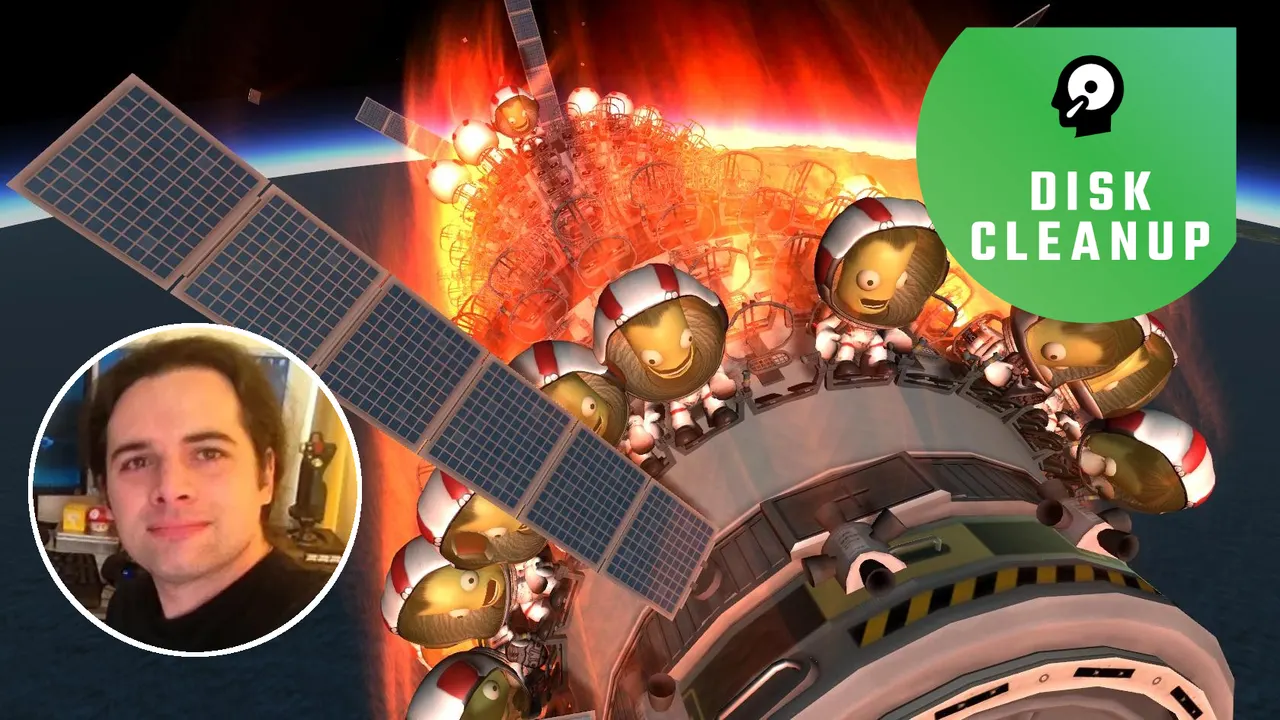
The article reports that Kerbal Space Program, the popular space-flight simulation game, drew one of its key inspirations from an unlikely source: a promotional Flash browser game created for the motoring show Top Gear. A developer involved in KSP's creation is quoted recalling that this Flash title was the closest thing to the rocket-building, physics-based game they envisioned that they could find at the time, making it a useful reference point during early development.
The piece highlights how niche or unexpected browser games from the Flash era could shape the design of later, much more ambitious titles, underscoring KSP's roots in a relatively obscure corner of casual web gaming rather than any established space-sim franchise. Full details of the developer's identity and the specific mechanics borrowed from the Top Gear game were not available in the retrieved text, as the page content consisted largely of site navigation and subscription prompts rather than the full article body.
- KSP was partly inspired by a Top Gear promotional Flash game
- A developer called it the closest match to KSP's concept at the time
- Full article details were largely inaccessible due to page content
New here? Start with this
Kerbal Space Program is a video game in which players design, build and launch rockets and spacecraft, using a simplified but broadly realistic model of orbital physics. Since its release, it has become known for making concepts like orbital mechanics accessible and entertaining to a general audience, and it has even been used informally as a teaching aid. Understanding where its design ideas originally came from helps explain why the game turned out the way it did.
Flash was a widely used technology for building small, browser-based games and animations, popular through the 2000s and into the early 2010s before it was phased out. Companies often commissioned simple Flash games to promote television shows, films or products, and Top Gear, the long-running British motoring programme, was one such example. These promotional games were generally not designed with lasting influence in mind, which makes their occasional impact on later, more significant projects notable.
The relevance here lies in tracing an unexpected line of influence: a throwaway marketing game apparently helped shape the thinking behind a title that went on to shape how millions of players understand space flight. This kind of story matters to readers interested in game design history, as it shows how inspiration for major creative works can come from obscure or overlooked sources rather than established genres or franchises.