OpenAI Launches GPT-Live-1 to Make ChatGPT Voice Mode Feel Like Talking to a Person
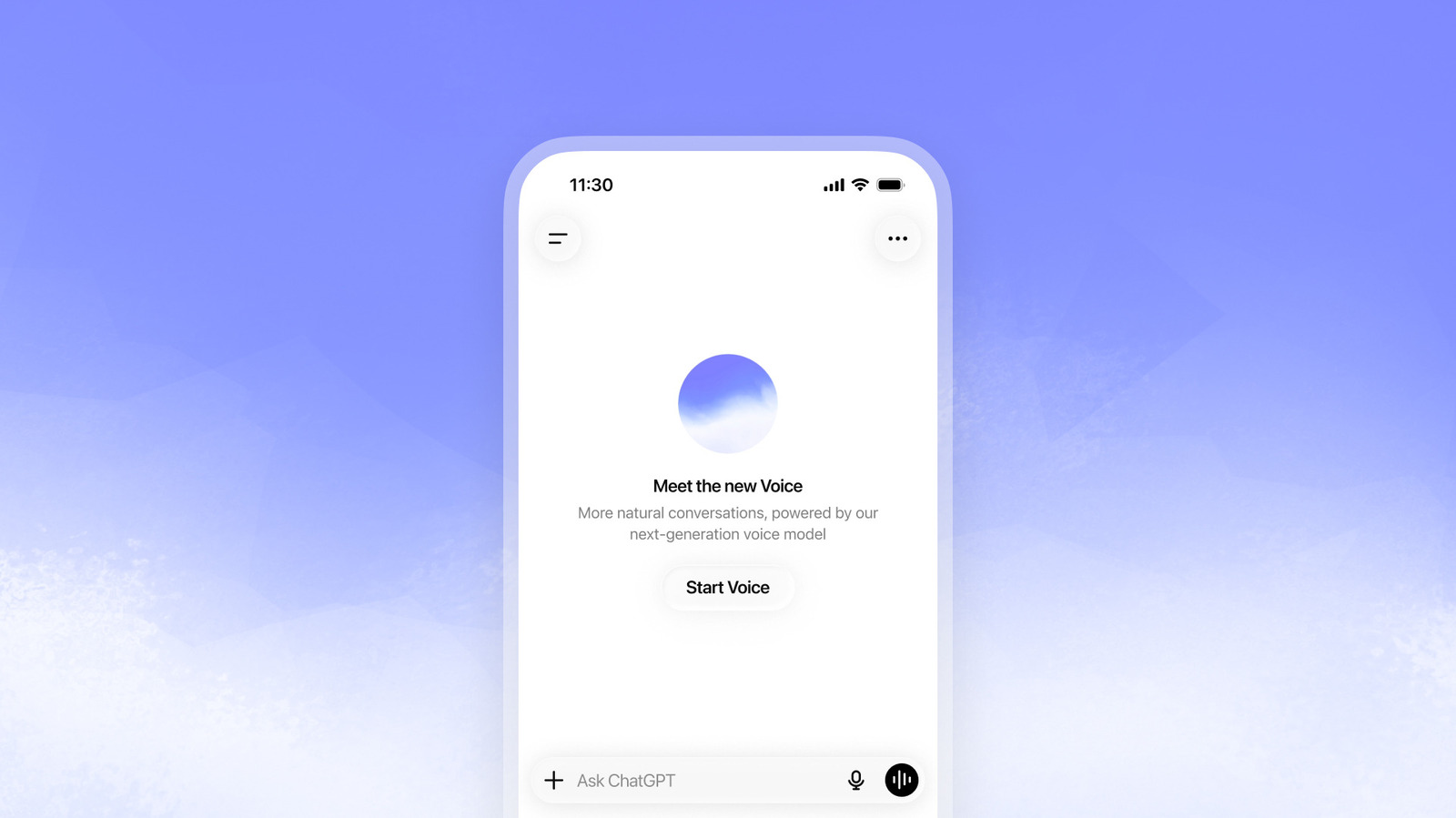
OpenAI has introduced GPT-Live-1, a new voice mode for ChatGPT engineered to simulate natural human conversation rather than feel like interacting with software. The upgraded system addresses previous interaction limitations by reducing unnecessary interruptions and better handling the natural rhythm of dialogue, including respecting pauses when someone is gathering their thoughts mid-sentence.
The new voice mode incorporates real-time acknowledgment of user speech and adaptive speech pacing capabilities. When users ask the system to slow down, it adjusts accordingly, and it refrains from jumping in when someone pauses naturally during conversation. These refinements are part of OpenAI's broader effort to create AI voice interactions that feel more like genuine human-to-human communication.
- OpenAI unveils GPT-Live-1, a smarter voice mode designed for natural, conversational exchanges with fewer interruptions
- New system respects speech pauses and can acknowledge users in real-time, creating more human-like dialogue flow
- Voice mode adapts to user preferences, including slowing down on request for clearer communication
New here? Start with this
OpenAI's ChatGPT includes a voice mode that lets people speak to the assistant and hear spoken replies, rather than typing. Earlier versions of this feature have been criticised for feeling stilted, often interrupting users mid-sentence or failing to pick up on natural pauses when someone is simply thinking about what to say next.
GPT-Live-1 is OpenAI's newest version of this voice system, built to make these exchanges feel closer to a real conversation between two people. It focuses on practical details such as recognising when a person has paused to think rather than finished speaking, and adjusting how quickly it talks if asked to slow down.
This matters because voice assistants are increasingly used for everyday tasks like asking questions, getting directions or dictating messages, and clunky, robotic-feeling exchanges can make them frustrating to rely on. Smoother, more natural-sounding interaction is seen as a key factor in whether people trust and continue using AI voice tools, making this an area of active competition among companies developing conversational AI.
Both sides, in good faith
The strongest fair case each way — we don't pick a winner.
The case for
Advocates of making AI voice interaction feel more human argue that clunky, robotic exchanges have long been the biggest barrier to people actually benefiting from these tools, particularly for accessibility, elderly users, or those who find typing difficult. Reducing interruptions and respecting natural pauses removes friction that previously made voice assistants frustrating or unusable for extended conversation, and more fluid pacing simply reflects good design in service of genuine usefulness. From this view, the technology is a communication medium, and making that medium feel natural is a legitimate engineering goal rather than something sinister.
The case against
Others caution that deliberately engineering AI to feel indistinguishable from a person raises real concerns about emotional over-reliance, blurred boundaries between human and machine relationships, and the risk that vulnerable users may not fully grasp they are speaking with software rather than a person. They argue that transparency about the artificial nature of the interaction matters more than seamlessness, and that optimising for human-like rapport could be used to increase engagement or dependency in ways that serve a company's commercial interests rather than the user's wellbeing. This caution reflects a broader unease about AI systems designed to exploit human social instincts.
Coverage
- The Verge — ChatGPT’s upgraded voice mode is better at shutting up
- Engadget — ChatGPT’s new voice mode will slow down if you tell it to