Oxford mayor warns kratom is ‘rolling the dice on death’ as fears linger over Ole Miss deaths
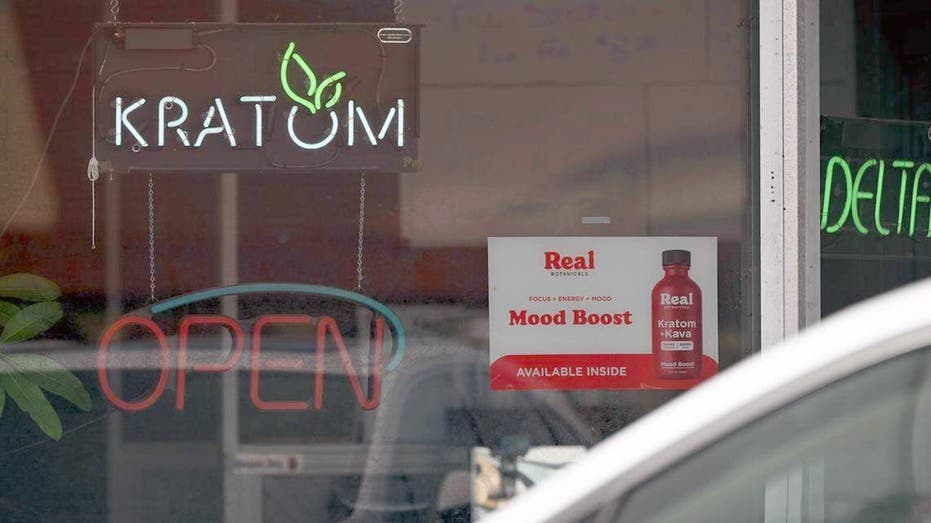
Oxford Mayor Robyn Tannehill has warned that kratom and other so-called “gas station drugs” pose serious risks, after packaged kratom was recovered during investigations into the deaths of two University of Mississippi students. The students’ deaths have heightened concerns on campus, although authorities have not established that kratom caused either death.
The students, identified as 18-year-old Aidan Hamilton and 20-year-old Robert Strang, were found dead on 21 September in separate locations, one on campus and one off campus. Autopsy and toxicology results are pending, with reports possibly due next week; narcotics detectives are involved, and Mississippi law could allow action against sellers if fentanyl is detected. Oxford banned kratom sales at petrol stations seven years ago, while police have separately announced arrests linked to an alleged narcotics-trafficking tobacco shop.
- Oxford’s mayor warned about kratom’s potential dangers.
- Two Ole Miss students died in separate locations.
- Causes of death remain unconfirmed pending toxicology results.
Both sides, in good faith
The strongest fair case each way — we don't pick a winner.
The case for
Kratom and similar unregulated substances sold in casual retail settings represent a genuine public health risk, particularly for young people unfamiliar with their potency and potential contaminants. These products lack the testing, quality control, and professional oversight that pharmaceutical regulation exists to ensure; when kratom is recovered during death investigations, it signals a reasonable basis for precautionary action. Restricting access through existing regulatory frameworks is a proportionate response to protect vulnerable populations, especially when sellers have no incentive to verify product safety or purity.
The case against
Establishing causation is essential before restricting a substance used safely by millions globally for centuries, and the current evidence—finding kratom during an investigation—does not demonstrate that it caused these deaths. The genuine danger appears to be contamination with fentanyl or other adulterants, which argues for product regulation and testing rather than blanket restrictions that conflate a plant with how unscrupulous sellers may have compromised it. Adults merit the autonomy to make informed choices about substances, and rushing to restrict based on incomplete toxicology results undermines public trust and sets a problematic precedent of restricting liberty before evidence warrants it.