Business news and discussion on TalkFuse.
Paramount Shares Fall After Antitrust Deal, But Wall Streeters Marvel At Favorable Terms
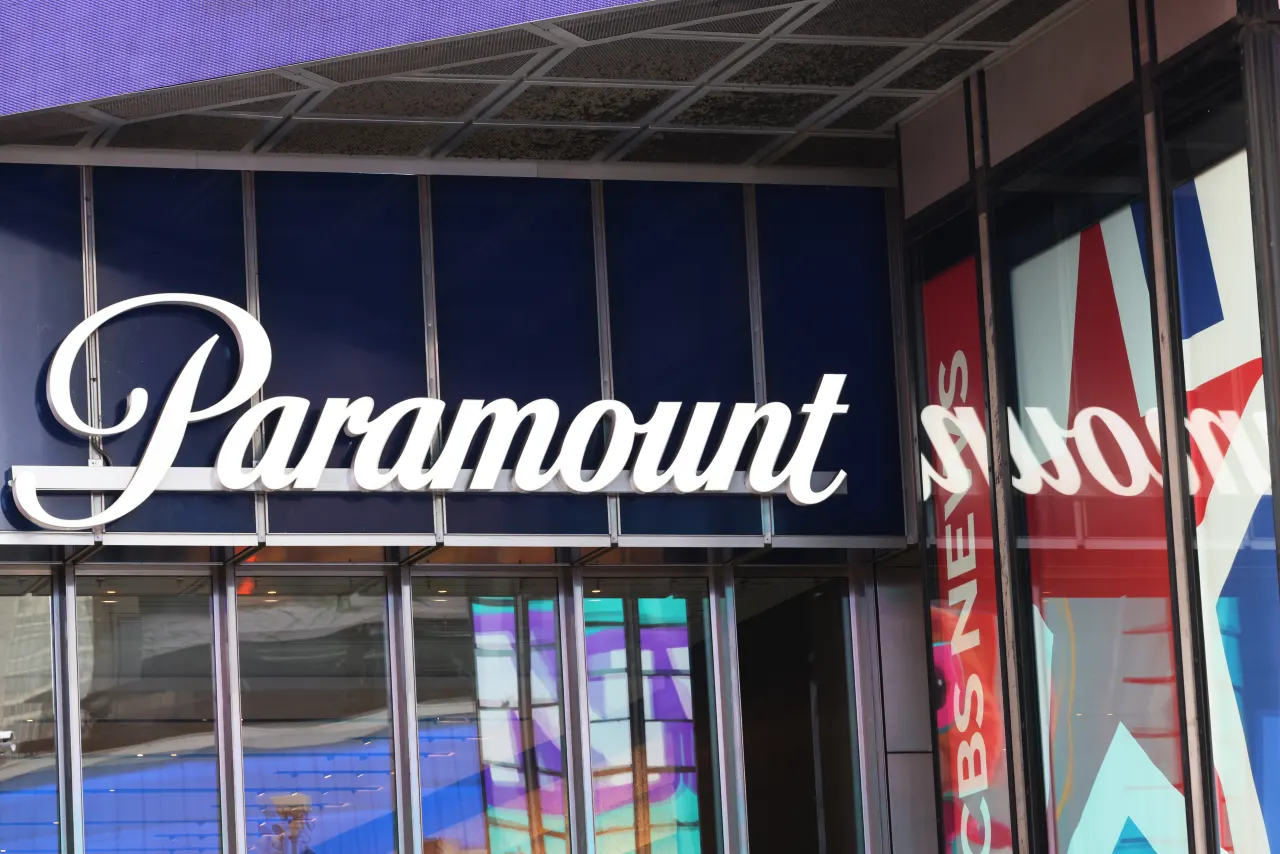
Paramount shares fell after settlements with 12 state attorneys general and the Writers Guild of America removed major legal obstacles to its proposed $111 billion merger with Warner Bros. Discovery. Although the agreements clear the way for completion, Paramount’s chief executive said the deal could take another two weeks to close, unsettling investors and increasing exposure to daily delay payments.
Warner Bros. Discovery shares rose 11%, while Paramount ended at $9.91 after an earlier increase. Paramount faces a ticking fee of about $7 million per day after 1 October, potentially costing roughly $650 million per quarter; analysts nevertheless viewed the settlement terms as unusually favourable because they require behavioural commitments, including protections for US production and CNN’s independence, rather than significant asset sales. Critics warned the merger could reduce competition, lead to job losses and affect consumers, while supporters argued the remedies were limited in impact.
In short
- Legal settlements clear the path for Paramount’s $111 billion merger.
- Completion may take two more weeks, triggering costly daily fees.
- Analysts praised the deal’s limited concessions; critics warned of reduced competition.
Steelman: both sides, in good faith
The strongest fair case each way — we don't pick a winner.
The case for
Supporters argue the settlements remove major legal obstacles while using targeted behavioural commitments to address concerns without forcing costly asset sales. They see protections for US production and CNN’s independence as a way to preserve important public interests while allowing the merger to proceed, and consider the remedies manageable for the combined company.
The case against
Critics argue that behavioural commitments may not prevent the merger from reducing competition, leading to job losses or harming consumers, especially if the combined company gains substantial market power. They may also doubt that promises about US production and CNN’s independence will adequately protect those interests over time, making stronger remedies preferable.
Explained simply
Paramount and Warner Bros. Discovery are major US media companies, with film and television studios, streaming services and television networks. Paramount owns CBS and the news channel CBS News; Warner Bros. Discovery owns Warner Bros. studios, HBO and CNN.
A merger would bring the companies’ businesses under common ownership. US competition law allows authorities to challenge mergers they believe could weaken competition, and state attorneys general can bring their own legal cases. The Writers Guild of America, which represents screenwriters, also raised concerns about the deal’s effects on workers and the industry.
How the companies combine could affect their production businesses, staff and the choices available to viewers and advertisers. Some proposed merger remedies involve selling parts of a business; others require commitments about how it is run.
Business Companies Markets Research Science