New York drill finds 40% of healthcare facilities failed bird flu test
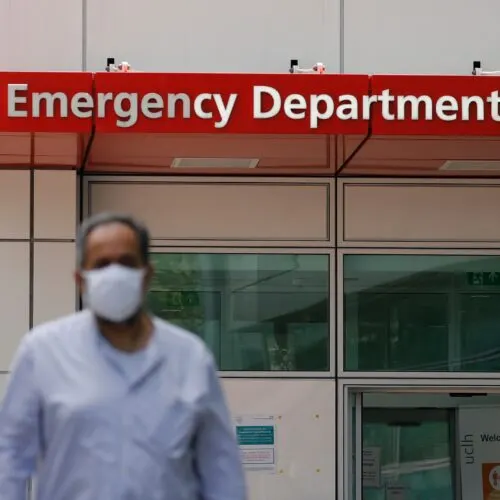
Health officials in New York conducted a drill testing 73 healthcare facilities' ability to identify and respond to a patient with potential bird flu symptoms. The results were concerning: only 60 percent of facilities passed the basic test of masking and isolating the patient, revealing significant gaps in pandemic preparedness at the local level. The drill highlights how unprepared healthcare systems remain for emerging infectious disease threats, nearly six years after COVID-19 exposed similar weaknesses.
The drill used professional actors with symptoms mimicking H5 bird flu, including fever, cough, and a story about handling a sick duck without protection. Across the facilities, mostly emergency departments in New York City, responses were slow: the median time to mask a patient was 2 minutes and median time to isolation was 11 minutes. Staff inconsistently used personal protective equipment, with only 25 percent wearing all recommended PPE, and only 7 of 73 facilities asked specific questions about bird flu exposure despite the telling details in the actors' narratives.
- Only 60% of healthcare facilities properly masked and isolated patients with pandemic illness symptoms.
- Staff responses were slow and PPE usage inconsistent: just 25% wore all recommended protective equipment.
- Despite actors mentioning sick birds, only 7 facilities asked bird flu-specific exposure questions.
New here? Start with this
Bird flu, or avian influenza, is a virus that spreads among birds and poultry but occasionally infects humans, particularly those working with infected animals. Recent years have seen human cases of bird flu reported, leading health officials to assess whether hospitals are prepared to recognise and manage such cases.
The COVID-19 pandemic revealed that many hospitals struggled with basic infectious disease protocols, from isolating patients to providing appropriate protective equipment to staff. This experience prompted public health authorities to conduct regular drills to test whether facilities have improved their readiness for disease outbreaks.
New York's health department decided to test how its healthcare facilities would respond to potential bird flu cases by running a simulation across multiple hospitals and emergency departments. The drill was designed to identify any gaps in preparedness that might need to be addressed before an actual outbreak reached patients in local facilities.
Both sides, in good faith
The strongest fair case each way — we don't pick a winner.
The case for
The 40 percent failure rate on fundamental pandemic containment measures—six years after COVID-19 exposed catastrophic preparedness gaps—reveals systemic failure to internalise critical lessons. With three-quarters of facilities failing to inquire about bird flu exposure despite explicit narrative cues, only 25 percent of staff wearing full recommended PPE, and average isolation delays of 11 minutes, healthcare systems remain dangerously underprepared for emerging infectious threats. These results demand urgent, substantial investment and systemic reform before a novel pathogen spreads through unprepared hospitals and unprotected staff.
The case against
Whilst the results warrant attention, drills necessarily oversimplify real-world conditions and often overstate deficiencies compared to actual clinical performance, where staff operate with full contextual information and institutional protocols unavailable in scripted scenarios. A 60 percent pass rate indicates genuine capability in core containment measures, and the drill's primary value lies in identifying specific, remediable gaps amenable to targeted staff training and protocol refinement. Rather than signalling systemic failure, these results demonstrate that quality assurance mechanisms are functioning—the healthcare system assessed itself and identified problems that can now be addressed through focused improvement.
Read the full article at the source →
Originally published by Ars Technica as “Patient-zero drill put health facilities to the test—40% of them failed”.