US paediatricians renew call for nationwide ban on unpasteurised milk sales
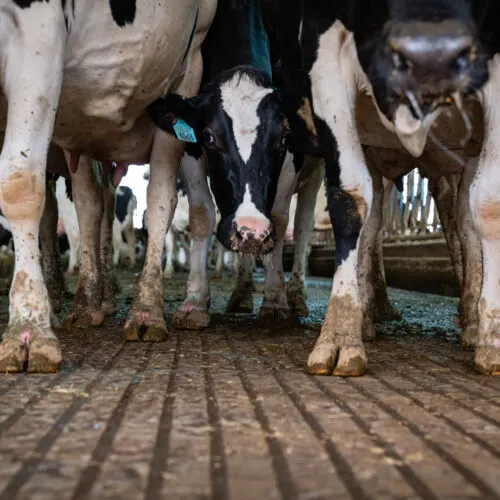
The American Academy of Paediatricians has renewed its call for a nationwide ban on unpasteurised milk sales, citing a resurgence of misinformation about raw dairy's purported health benefits. With anti-vaccine advocate Robert F. Kennedy Jr. now serving as health secretary, paediatricians are being forced to defend public health victories hard-won decades ago—pasteurisation prevented a "remarkable" drop in infant deaths and illnesses in the early 20th century. The policy renewal reflects a broader erosion of trust in established medical and scientific practices driven by anti-science rhetoric.
Outbreaks from unpasteurised dairy have increased over the past two decades, with nearly half of cases affecting children, who are particularly vulnerable to foodborne pathogens. A 17-month-old girl in California developed life-threatening E. coli O157:H7 infection after consuming raw goat milk, resulting in haemolytic uraemic syndrome that damaged her kidneys and halted her development. Though she survived, she faces permanent kidney problems requiring ongoing medical monitoring. Her mother, initially misled by social media claims, now regrets the decision but has encountered resistance when trying to raise awareness of the dangers.
- American Academy of Paediatricians renews call to ban unpasteurised milk nationally.
- Raw milk sales increasing despite health risks, particularly to children.
- Toddler suffered severe kidney damage and developmental delays from unpasteurised goat milk.
New here? Start with this
Unpasteurised, or raw, milk is milk that has not been heated to kill bacteria. Pasteurisation is a heating process that was developed over a century ago to eliminate harmful pathogens from milk. The story concerns arguments over whether the United States should ban unpasteurised milk sales nationwide.
Early 20th-century pasteurisation led to dramatic declines in infant deaths and illnesses from contaminated milk, becoming a major achievement in public health. Raw milk largely disappeared from everyday consumption as a result. In recent years, however, some people have begun promoting unpasteurised milk as healthier than pasteurised milk.
Health organisations warn that unpasteurised milk carries dangerous bacteria such as E. coli and Listeria, which particularly endanger young children whose immune systems are still developing. Recent outbreaks linked to raw dairy products have been documented over the past two decades. Paediatricians maintain that the scientific evidence supporting pasteurisation remains as clear today as it was in the early 20th century.
Both sides, in good faith
The strongest fair case each way — we don't pick a winner.
The case for
Pasteurisation achieved remarkable public health gains by preventing infant deaths and serious illnesses in the early 20th century, and recent outbreaks demonstrate that raw milk remains genuinely dangerous, particularly for vulnerable children who cannot consent to the risk themselves. The evidence shows nearly half of foodborne illness cases from unpasteurised dairy affect children, with severe consequences including permanent kidney damage and developmental delays, making a nationwide ban a proportionate protection of those unable to make informed choices about their own health.
The case against
Adults should retain the right to make informed decisions about their own consumption, including accepting risks they understand; a ban removes choice rather than enabling education about both benefits and hazards. Those who advocate for raw milk often value the farm-to-consumer relationship, believe certain nutritional properties may be preserved in unpasteurised products, and argue that competent adults—as distinct from children—should not face government prohibition on products they wish to purchase with full knowledge of potential risks.
Read the full article at the source →
Originally published by Ars Technica as “Pediatricians renew call to ban raw milk as anti-science rhetoric reigns”.