London’s luxury property market slumps as prices fall and buyers retreat
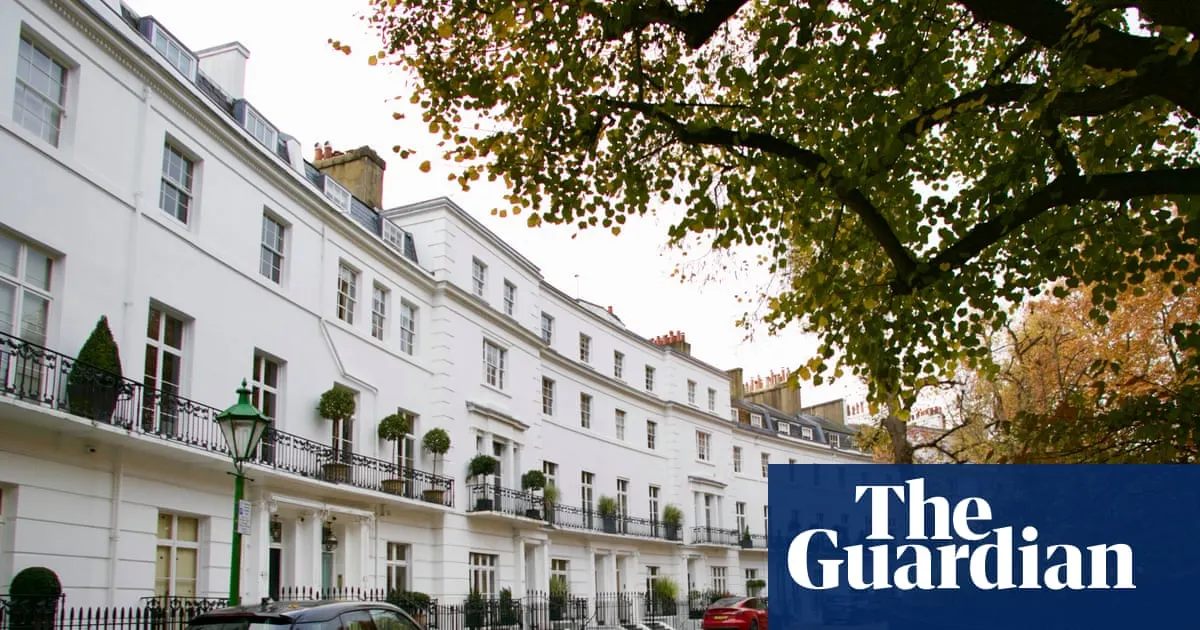
London’s prime housing market is weakening, with owners cutting prices on multimillion-pound homes as wealthy buyers leave or hold back. The downturn matters because it reverses years in which London prices outpaced the rest of the UK, while the capital continues to face wider affordability and housing pressures.
Prices have fallen sharply in several central boroughs: in the year to June, Westminster was down 25.4%, the City 20.4% and Kensington and Chelsea 14.7%, while UK prices rose about 2%. Factors cited include earlier overvaluation, Brexit, the pandemic, higher taxes and borrowing costs, and the departure of some wealthy residents after the non-dom tax regime ended. Prime homes took an average of 186 days to sell in the first half of 2026, and the average discount to asking price widened to 10.4%.
- London’s most expensive homes are facing steep price cuts.
- Prime properties are taking longer to sell.
- Fewer wealthy buyers and higher costs are weighing on demand.
New here? Start with this
London's luxury property market refers to expensive homes in the capital's most prestigious central areas. These properties are closely watched as an indicator of broader economic confidence, because wealthy buyers from around the world treat them as long-term investments.
Historically, prices in these areas have grown faster than property elsewhere in the UK, and there has been strong international demand for London homes. This has made the market particularly important to understand as a measure of how attractive London remains as an investment destination.
Changes in this market are significant because they can signal shifts in economic conditions and investor confidence. They matter too because the capital already faces serious housing affordability challenges, so trends in the property market have wider implications.
Both sides, in good faith
The strongest fair case each way — we don't pick a winner.
The case for
London's property market decline represents genuine economic weakness. Sharp price falls and extended selling times signal investor confidence crisis and capital flight, whilst the loss of wealthy residents means direct losses in tax revenue and spending that support local businesses and public services. The non-dom tax change has accelerated this departure at precisely the wrong time, as the UK needs investment and productive contributors to the economy. This decline threatens not just the property sector but the UK's international economic standing.
The case against
This market correction actually restores rationality after years of unsustainable speculation. London property became a financial asset for international speculators rather than homes for people to live in, with extreme valuations wholly disconnected from fundamentals and ordinary Londoners priced out entirely. The non-dom tax change addresses a legitimate fairness concern about tax avoidance. Market correction away from speculative bubbles isn't economic weakness but economic health, redirecting wealth toward productive sectors and addressing the housing crisis that affects millions of Brits.
Read the full article at the source →
Originally published by The Guardian as “‘People are deserting it’: why are London mansions struggling to sell?”.