Phone audio quality hinges on conversion location rather than port type
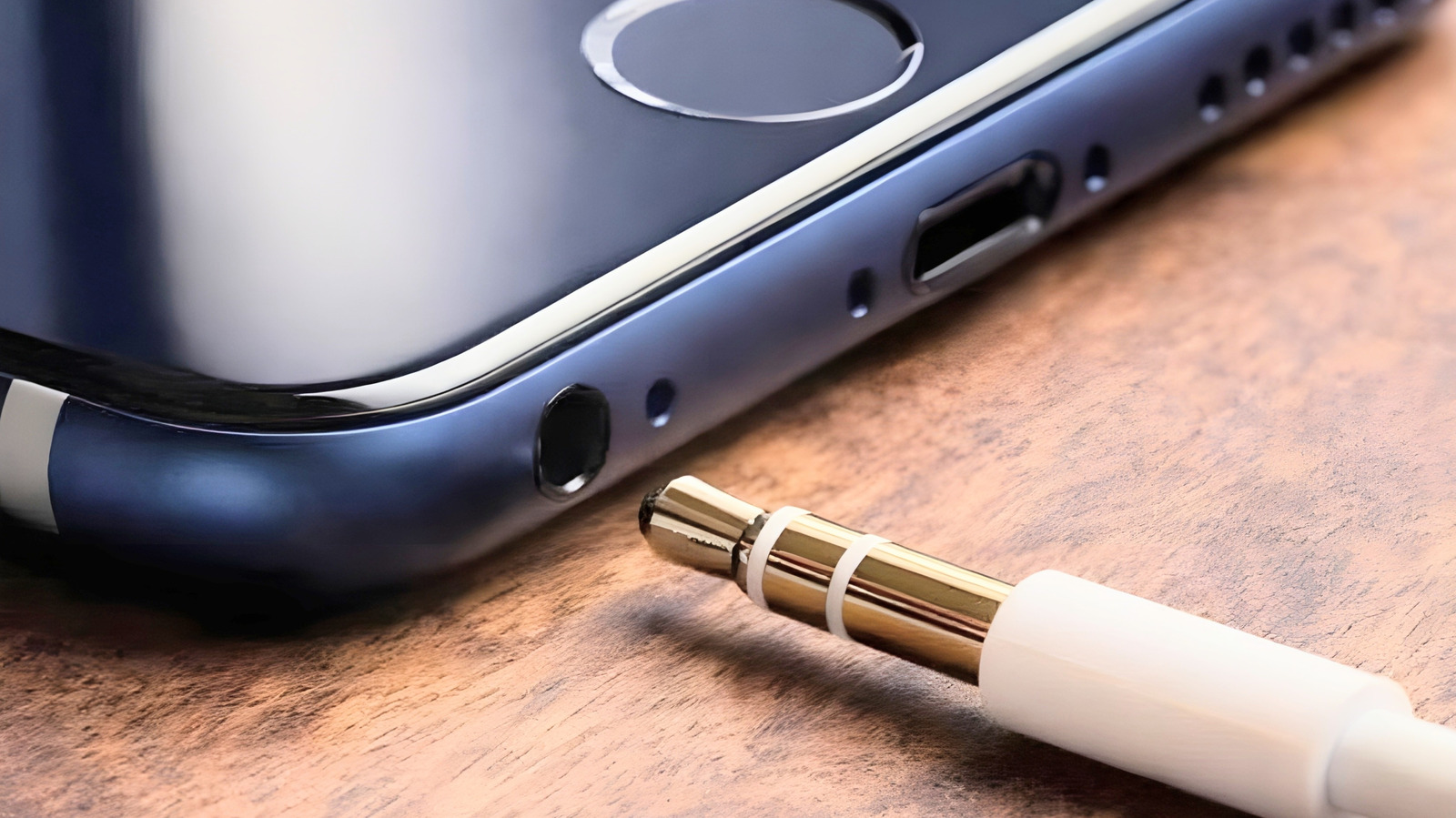
As smartphone makers have largely abandoned the 3.5mm headphone jack in favour of USB-C, listeners are left wondering which connection actually delivers better sound. The distinction matters because audio quality depends on where the digital-to-analogue conversion happens rather than on the connector itself, meaning neither port is automatically superior. This affects anyone buying wired headphones or adapters, since the wrong pairing can lead to disappointing sound regardless of how much a device costs.
With a 3.5mm jack, the phone's internal digital-to-analogue converter (DAC) and amplifier do the conversion before the signal leaves the device, so quality hinges on the phone's built-in hardware. With USB-C, conversion typically happens externally, in the headphones, earbuds or an adapter's own DAC, which is why most USB-C headphone connections need an "active" adapter. Apple dropped the jack from the iPhone 7 in 2016, followed by Google's Pixel 2 in 2017 and Samsung in 2019, while Sony has kept the port on its recently released Xperia 1 VIII. The article concludes that a premium USB-C DAC can outperform a phone's onboard jack, particularly with demanding over-ear headphones, but cheap adapters offer no benefit, and 3.5mm remains more convenient thanks to its universal compatibility with cars, laptops and other devices.
- Neither USB-C nor 3.5mm is inherently better for audio quality
- Sound quality depends on the DAC/amplifier hardware used, not the port
- 3.5mm remains more universally compatible; USB-C has higher ceiling with good gear
Read the full article at the source →
Originally published by Engadget as “Phone makers ditched 3.5mm for USB-C, but which one offers better audio quality?”.