Djibouti football leadership ousted in disputed assembly amid police presence
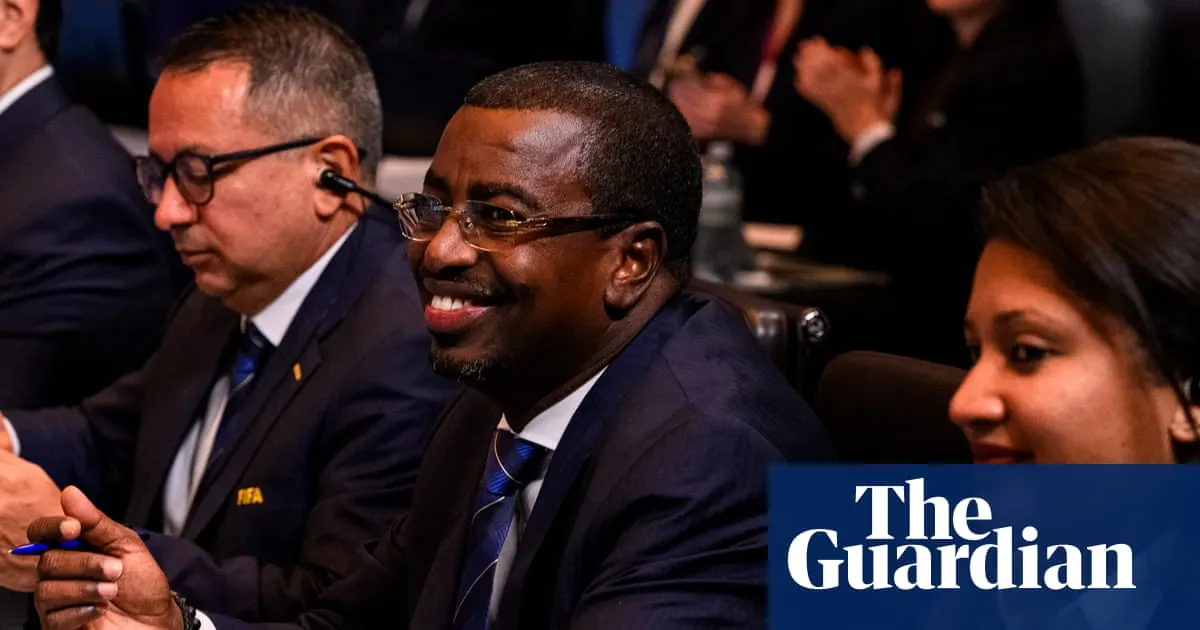
Police occupied the Djibouti Football Federation’s headquarters as 16 club presidents held a disputed assembly to remove president Souleiman Waberi and his executive committee. The federation says the meeting was improperly called and its decisions are invalid; the episode raises concerns about state interference in football governance and possible international sanctions.
Opponents say enough delegates attended and unanimously voted to remove the leadership, then appointed an interim committee. The dispute has intensified for weeks: 27 clubs initially sought an assembly, while the federation says 45 of its 67 members were needed. The government ordered the federation to convene a meeting within 72 hours. Waberi, a member of Fifa’s council and Caf’s executive committee, may also face charges following a police investigation into suspected financial irregularities, including nearly £500,000 in cash payments; he denies wrongdoing.
- Police occupied the federation headquarters during a leadership challenge.
- Club delegates voted to remove Waberi, but the federation disputes the meeting’s legality.
- The dispute could put Djibouti’s international football participation and funding at risk.
New here? Start with this
Djibouti's football federation is gripped by a leadership dispute between president Souleiman Waberi and club officials who seek his removal. The disagreement centres on governance and procedure: a group of clubs contends that Waberi and his executive committee have mismanaged the federation, whilst the federation insists that recent removal attempts were improperly organised and lack legitimacy. The sides disagree fundamentally on whether enough delegates participated in proceedings and whether correct procedures were followed.
Waberi holds prominent positions in international football, serving on Fifa's council and the African confederation Caf's executive committee, which makes the dispute significant beyond Djibouti's borders. He is also facing investigation into suspected financial irregularities involving substantial cash payments, allegations he denies. The episode has triggered concerns about state interference, as the government ordered the federation to hold a meeting and police have been present during key events, prompting questions about whether the federation can operate independently.
Both sides, in good faith
The strongest fair case each way — we don't pick a winner.
The case for
The federation leadership appears to have engaged in serious financial misconduct—nearly £500,000 in undisclosed cash payments warrant investigation. When internal governance mechanisms fail to address corruption and one side blocks legitimate reform efforts, government intervention becomes necessary to protect the federation's integrity and its members' interests. Democratic principles require that those seeking change can eventually be heard; blocking successive assembly attempts suggests the leadership will never face accountability through proper channels.
The case against
FIFA and CAF governance principles exist precisely to prevent state interference in sports bodies, which inevitably corrupts their independence and invites sanctions. Even if allegations prove founded, the remedy must lie within constitutional procedures, not police occupation and government-ordered assemblies. Circumventing quorum requirements and proper procedure—regardless of justification—establishes a dangerous precedent that political power overrides institutional rules whenever convenient, ultimately weakening rather than protecting sports governance.
Art Culture Football Government Politics Sport
Read the full article at the source →
Originally published by The Guardian as “Police occupy Djibouti FA headquarters amid attempt to oust Fifa council member”.