Police ‘preparing’ for more small boat arrivals after dinghy heading for the south coast seen in the English Channel
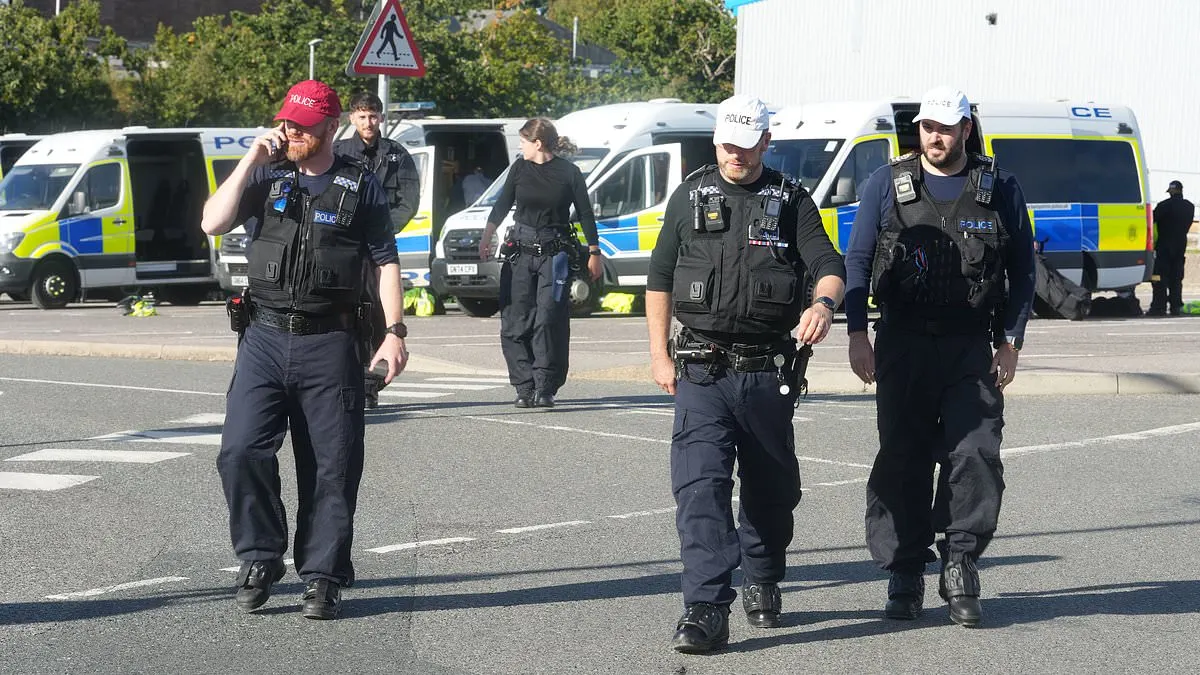
Police are preparing for the possible arrival of a migrant dinghy on the Hampshire coast after a small boat was spotted crossing the English Channel from Normandy. The vessel is being tracked by French coastguard and rescue vessels, though its exact landing point remains uncertain. The situation reflects heightened tensions following a similar incident days earlier, when a migrant boat landed in Dover after spending over 30 hours at sea, triggering protests in Gosport and prompting six arrests.
The boat apparently departed from near Utah Beach in Normandy on Sunday morning. Although police in Hampshire and the Fareham area have been placed on standby, there is no confirmed indication the vessel will land in Gosport or elsewhere locally. Caroline Dinenage, Conservative MP for Gosport, has requested an urgent update from the Home Office border security minister. Despite continued crossings, official figures show small boat arrivals are substantially lower than a year ago, with 19,451 provisional arrivals recorded, representing a 43 per cent decrease.
- A migrant dinghy spotted crossing from Normandy prompts police preparations in Hampshire.
- Its exact landing point is uncertain; a similar crossing sparked recent protests.
- Small boat arrivals remain significantly lower than a year ago.
New here? Start with this
Small boat crossings from France to the UK have become a recurring issue in recent years, with migrants attempting the journey across the English Channel in overcrowded dinghies. These crossings are typically made by people seeking to reach the UK without using official entry routes, often having fled conflict or poverty.
The possibility of another arrival comes days after a migrant boat reached Dover following a 30-hour crossing, which triggered protests and arrests in the nearby town of Gosport. Such incidents frequently generate strong local reactions and have become a focus for political attention and public debate around border security.
Despite ongoing crossings and public concern, official figures show that the number of small boat arrivals this year is substantially lower than the previous year, falling by 43 per cent. Police forces regularly prepare for potential arrivals, monitoring crossings in the Channel and coordinating responses with French authorities and rescue services.
Both sides, in good faith
The strongest fair case each way — we don't pick a winner.
The case for
These small boat crossings pose genuine challenges for communities and orderly governance. The recent incident that triggered protests demonstrates local tensions are real and significant, with six arrests needed to restore order. Whilst the 43 per cent year-on-year decline is encouraging, ongoing crossings indicate inadequate deterrence and border management. Effective border control is a legitimate function of sovereignty, and managing migration through safe, orderly channels rather than dangerous sea crossings serves both national interest and the migrants themselves by discouraging life-threatening journeys.
The case against
The statistics reveal the actual scale: 19,451 arrivals over a year represents a manageable flow that a wealthy nation can absorb, and the 43 per cent reduction shows existing measures are working. These crossings persist because people face genuine threats—war, persecution, destitution—that make dangerous journeys seem worthwhile despite the risks. The humanitarian obligation to provide asylum is fundamental, and focusing exclusively on enforcement and deterrence ignores root causes abroad. Rather than framing arrivals as a crisis requiring ever-stricter borders, policy should balance compassion with integration support and address why people feel compelled to risk their lives.