Preakness Stakes moves to a Sunday for the first time ever in major Triple Crown shakeup
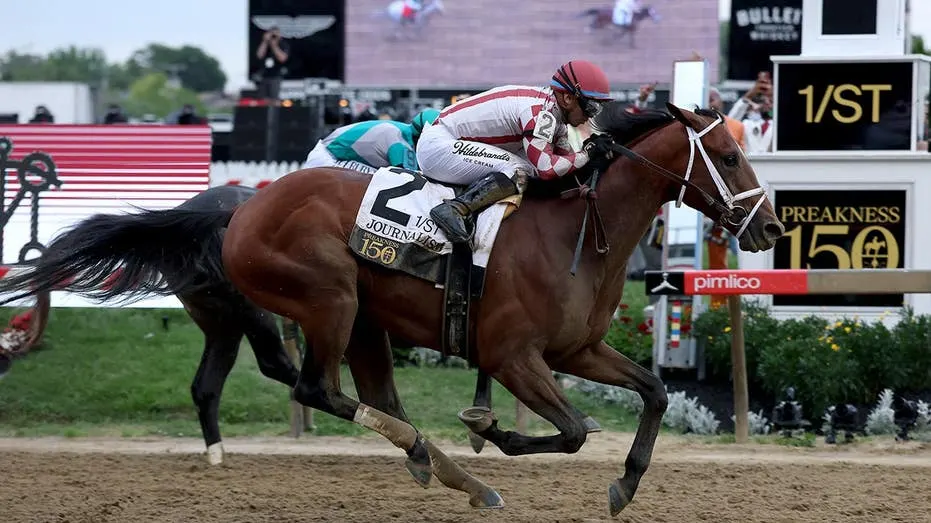
The Preakness Stakes is set to move to a Sunday for the first time in its history, part of a major overhaul of horse racing's Triple Crown schedule due to take effect in 2027. The change follows growing frustration in the sport after recent Kentucky Derby winners repeatedly skipped the Preakness, undermining the traditional three-race Triple Crown format and its television appeal.
The shakeup was announced last week by Churchill Downs Incorporated and the New York Racing Association, who unveiled a new six-race championship series. Alongside the Kentucky Derby and Belmont Stakes, the series will include the Matt Winn Stakes at Churchill Downs in Louisville in July, plus the Jim Dandy and other races, restructuring how the sport's premier events are scheduled and promoted.
- Preakness Stakes will run on a Sunday for the first time ever.
- Change follows Derby winners skipping the Preakness in recent years.
- Part of a new six-race championship series starting 2027.
Both sides, in good faith
The strongest fair case each way — we don't pick a winner.
The case for
Proponents of the restructuring contend that the traditional Triple Crown format has become dysfunctional, with recent Kentucky Derby winners repeatedly avoiding the Preakness and thereby undermining the championship's competitive integrity and television appeal. By moving to Sunday and introducing a broader six-race championship series, the sport can better accommodate modern schedules whilst restoring genuine competition and stakes to its marquee events. They argue such evolution is essential to keep horse racing relevant and thriving for contemporary audiences and broadcasters.
The case against
Critics maintain that the Preakness has preserved its Saturday tradition for over a century and a half, establishing an identity integral to the sport's heritage and community engagement in Baltimore. Rather than abandoning longstanding conventions, they contend the sport should explore solutions that address scheduling challenges whilst respecting the historic character these events have maintained. Tradition itself carries value in sports, providing stability and continuity that audiences and stakeholders depend upon, and fundamental alterations risk undermining the institutional credibility these events have earned.