Technology news and discussion on TalkFuse.
Private jets flock to Montana – but locals can’t afford the trailer park
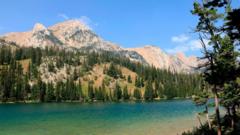
Bozeman, Montana, has been transformed by a huge influx of wealthy newcomers since the Covid-19 pandemic, pushing house prices and rents sharply higher and squeezing out many long-time residents. The city's population has grown by around 20% since 2019, driven partly by remote workers relocating from the coasts and partly by what locals call the "Yellowstone effect" – interest sparked by the hit television drama of the same name, which glamorises Montana's ranching landscapes and lifestyle.
Home values have jumped roughly 40% in two years, according to local realtors, while rents have doubled or tripled for some residents. Bozeman's airport, undergoing renovation, now regularly hosts 80 to 100 private jets a day, largely ferrying wealthy visitors to the exclusive Yellowstone Club resort in nearby Big Sky, where celebrities including Justin Timberlake and Tom Brady own homes. Meanwhile, downtown businesses have given way to upmarket steakhouses and boutiques, and tensions have grown between newcomers and locals, some of whom have staged rent strikes at mobile home parks, prompting the election of a young, affordable-housing-focused mayor, Joey Morrison.
In short
- Bozeman, Montana's population has grown 20% since the pandemic
- Wealthy newcomers, partly drawn by "Yellowstone" TV show, drive up costs
- Home values up 40% in two years; locals struggle with rent hikes
Steelman: both sides, in good faith
The strongest fair case each way — we don't pick a winner.
The case for
Economic growth and rising property values represent genuine opportunity for the community. Increased tax revenue funds better public services and infrastructure, whilst existing homeowners build wealth. The influx of professionals and investment attracts talent and creates jobs across the economy. Individual property owners have the right to benefit from market demand for their land, and restricting such growth would limit personal prosperity and economic freedom.
The case against
Rapid growth driven purely by market forces destroys community stability and displaces the people who built Bozeman's character. Teachers, healthcare workers, and service staff cannot afford to live where they work, breaking the social fabric. Rising property values benefit absentee investors and wealthy newcomers, but harm those who lack capital and have roots in the community. Without deliberate policy intervention to protect affordability, market-driven growth creates a hollow luxury enclave rather than a functioning community.
Explained simply
Bozeman, a city in Montana, has experienced rapid population and price growth since the Covid-19 pandemic began in 2020. This transformation has been driven by wealthy people relocating from expensive coastal cities to work remotely, as well as by renewed interest in Montana sparked by the television drama Yellowstone, which portrays the state's ranching landscapes and lifestyle as glamorous and appealing.
Property prices in Bozeman have risen roughly 40% in two years, whilst rents have doubled or tripled for some residents. The sharp increases have made housing unaffordable for many long-time residents, creating tension between newcomers and the established community.
The influx includes wealthy visitors who frequent the exclusive Yellowstone Club resort in nearby Big Sky, a mountain destination popular with celebrities and affluent Americans. The transformation has sparked debate about housing affordability and the character of the community, issues that reflect broader concerns in desirable locations across the United States.