Pro-Palestine protests interrupt game as Ireland pass up 2-0 lead in draw against Austria
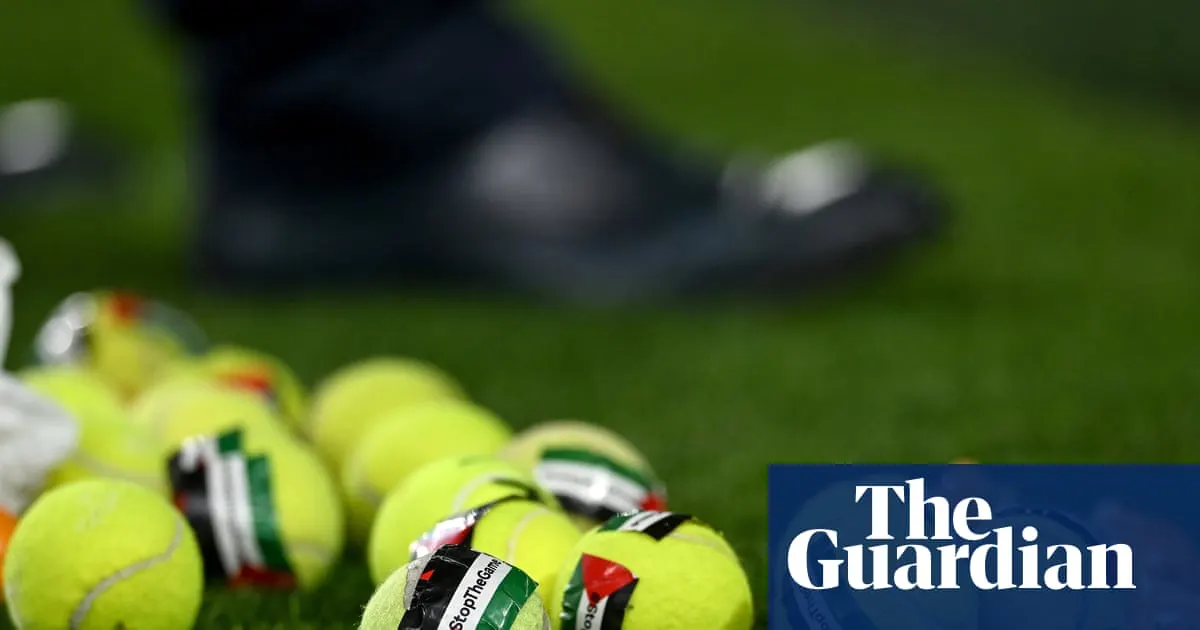
Pro-Palestine protests interrupted the Republic of Ireland’s Nations League match against Austria twice in the first half, as tennis balls bearing Palestinian flags and a “#StopTheGame” message were thrown on to the pitch and a spectator ran on carrying what appeared to be a Palestinian flag. Ireland then surrendered a two-goal lead to draw 2-2, leaving them third in Group B3 at the halfway point.
Troy Parrott scored a solo goal in the 12th minute and converted a penalty just before half-time. Austria’s Alexander Prass pulled one back in the 71st minute, and substitute Michael Gregoritsch equalised six minutes later; both sides had chances to win late on. The match came amid debate in Ireland over its scheduled Nations League fixtures against Israel, including a behind-closed-doors “home” game in Serbia on Sunday, which manager Heimir Hallgrímsson said the team intended to play.
- Protests halted Ireland’s match against Austria twice.
- Parrott scored twice as Ireland led 2-0.
- Austria came back to earn a 2-2 draw.
New here? Start with this
The Republic of Ireland's men's football team was playing Austria in a Nations League match when Pro-Palestine activists interrupted play twice in the first half. Tennis balls decorated with Palestinian flags and "#StopTheGame" messages were thrown onto the pitch, and a spectator ran onto the pitch carrying what appeared to be a Palestinian flag. The disruptions were cleared away and the match continued.
Ireland is scheduled to play matches against Israel in its Nations League campaign, including a "home" game that will be held in Serbia behind closed doors. These fixtures have prompted debate within Ireland about whether the team should participate, with activist groups opposing the matches and staging protests. The team's manager has confirmed the squad intends to proceed with the Israel fixtures as scheduled.
Professional football matches have become venues for activism surrounding the Israel-Palestine conflict across Europe. These disruptions reflect broader questions about how sports organisations and national teams should navigate controversial geopolitical issues.