AI protest groups expand as activists target tech industry events
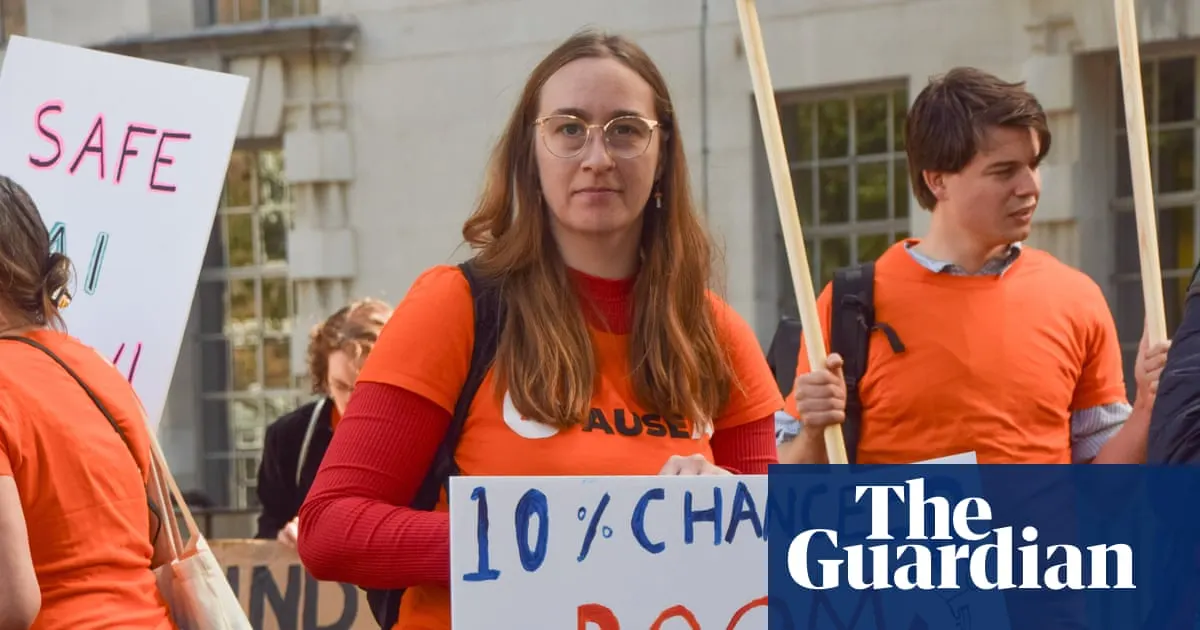
Anti-AI campaign groups are gaining members as warnings about the risks of advanced systems attract attention. Some activists are turning to direct action to challenge companies and make the public feel able to question the industry’s plans.
Pull The Plug, launched in January, has about 300 members and recently disrupted a tech industry dinner featuring a senior Nvidia executive; hundreds also rallied outside Palantir’s London office. Pause AI, active in 17 countries, said weekly volunteer sign-ups doubled to about 100 after reports of rogue AI agents and reached 681 in the week an Anthropic researcher warned AI could “kill us all by the end of the decade”. The groups differ over direct action, while campaigners point to calls for rules on risks including cyber-attacks and bioweapons.
- AI risk warnings are drawing new campaigners.
- Pull The Plug disrupted an Nvidia-linked dinner.
- Pause AI sign-ups peaked at 681 in one week.
New here? Start with this
Concerns about risks from advanced artificial intelligence systems have been attracting increasing attention. Some experts and members of the public worry about potential harms in areas such as cybersecurity and bioweapons development, and there are calls for greater regulation and oversight of how these technologies are developed.
Activist groups have formed to campaign on these concerns and engage with technology companies about the risks. Pull The Plug and Pause AI are among the most visible, with the latter operating in 17 countries, and they organise public demonstrations and events to raise awareness of the issue.
These campaigns are growing in membership as reports about the potential dangers of AI systems generate public interest and media coverage. The groups are calling for stronger rules and oversight of AI development, arguing this is necessary to prevent harm.
Both sides, in good faith
The strongest fair case each way — we don't pick a winner.
The case for
The protesters argue that artificial intelligence systems pose genuine, substantial risks—cyber-attacks, bioweapons, existential threats—that the industry and governments inadequately address. Since traditional advocacy and regulatory channels move too slowly for such urgent concerns, direct action serves to elevate public awareness and pressure for meaningful safety standards, ensuring society has a voice in shaping this technology rather than leaving decisions solely to companies.
The case against
Whilst some AI safety concerns merit serious consideration, these protest movements risk amplifying speculative worst-case scenarios that many researchers view sceptically, distorting public discourse. Disrupting industry events alienates potential allies and may slow safety-conscious development by driving talent away, whereas robust AI governance is better achieved through established democratic processes, expert consultation, and constructive engagement rather than protest campaigns.
AI Business Elections Politics Technology
Read the full article at the source →
Originally published by The Guardian as “‘Pull the plug’: protesters resort to direct action against AI firms”.