Putin stages war games with nuclear-capable missiles as Ukraine gains upper hand against Russia
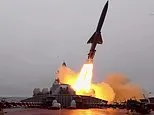
Russian President Vladimir Putin has overseen military exercises involving nuclear-capable missiles, a show of force that comes as Ukrainian forces are reported to be making battlefield gains against Russian troops. The drills appear intended as a signal of Moscow's continued military strength and nuclear deterrent capability at a moment when the war in Ukraine may be turning against Russia, raising concerns about the risk of escalation.
The article's full details on the specific missile systems used, the location of the exercises, and the extent of Ukraine's reported battlefield gains were not available in the supplied text, which consisted largely of unrelated headline links rather than the article body. As such, only the broad picture conveyed by the headline — a Russian nuclear-capable missile war game staged against a backdrop of Ukrainian military progress — can be confirmed.
- Putin held war games featuring nuclear-capable missiles.
- Move comes as Ukraine reportedly gains ground against Russia.
- Seen as a signal of strength amid escalation concerns.
New here? Start with this
Putin has watched over drills in which Russia's armed forces tested missiles capable of carrying nuclear warheads. Such exercises are a routine part of how nuclear-armed states maintain and demonstrate their arsenals, but they take on added significance when staged during an ongoing conflict, as they can be read as a signal of resolve or strength to both domestic and foreign audiences.
The exercises come against the backdrop of the war in Ukraine, now in its third year, which began when Russia launched a full-scale invasion of its neighbour in February 2022. Ukraine, backed by Western military and financial support, has been fighting to defend and reclaim its territory, while Russia has periodically referenced its nuclear capability during the conflict, a stance many observers see as intended to discourage deeper Western involvement.
Any reported shift in momentum on the battlefield matters because it affects the pressures each side faces, including calls for negotiations, further military aid, or continued fighting. Nuclear signalling by a major power during wartime is closely watched internationally, since it touches on long-standing concerns about how far such rhetoric or displays might go before they affect global security.