Rare piglet the size of ‘a grapefruit with legs’ born at zoo
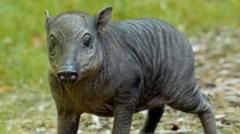
An endangered babirusa piglet named Rana, described as the size of a "grapefruit with legs" at birth, has made her public debut at Chester Zoo. Conservationists say her arrival is a "lifeline" for the species, which is being wiped out in the wild by African swine fever that reached the animals' native Indonesian islands five years ago.
Babirusas, whose name means "pig-deer" in Malay, survive in the wild on just four Indonesian islands and are set to be reclassified from "vulnerable" to "critically endangered" by the IUCN. Rana is the fifth piglet born to mother Matano, herself born at Chester Zoo 11 years ago, and keepers monitored the pair remotely via baby monitor before allowing public viewing. The species typically has only one or two offspring at a time, slowing recovery, while conservationists note babirusas play a key ecological role by dispersing seeds and acting as an indicator species for forest health.
- Rare babirusa piglet Rana born at Chester Zoo, now on public display
- Species facing "critically endangered" status due to African swine fever
- Zoo says births like Rana's are vital for the species' survival
New here? Start with this
Rana, an endangered babirusa piglet, was recently born at Chester Zoo and has now been shown to the public for the first time. Babirusas, sometimes called "pig-deer", are wild pigs found naturally on only a handful of Indonesian islands, and their numbers have collapsed since African swine fever reached those islands around five years ago.
The species is already listed as vulnerable and is expected to be reclassified as critically endangered, partly because babirusas usually only produce one or two young at a time, making it hard for populations to recover quickly. Rana's mother, Matano, was herself born at the zoo and has now had five piglets, making the birth part of a longer-running breeding effort rather than a one-off event.
Conservationists see births like this as important for the species' survival, since babirusas also play a role in their forest habitats by spreading seeds and signalling the health of the wider ecosystem. Zoo breeding programmes of this kind are often intended to support wild populations, though the piglet's public debut is itself simply the latest step in that ongoing effort.