Reform civil war intensifies as Farage ally vows to challenge suspension and test if party can ‘tolerate free speech’
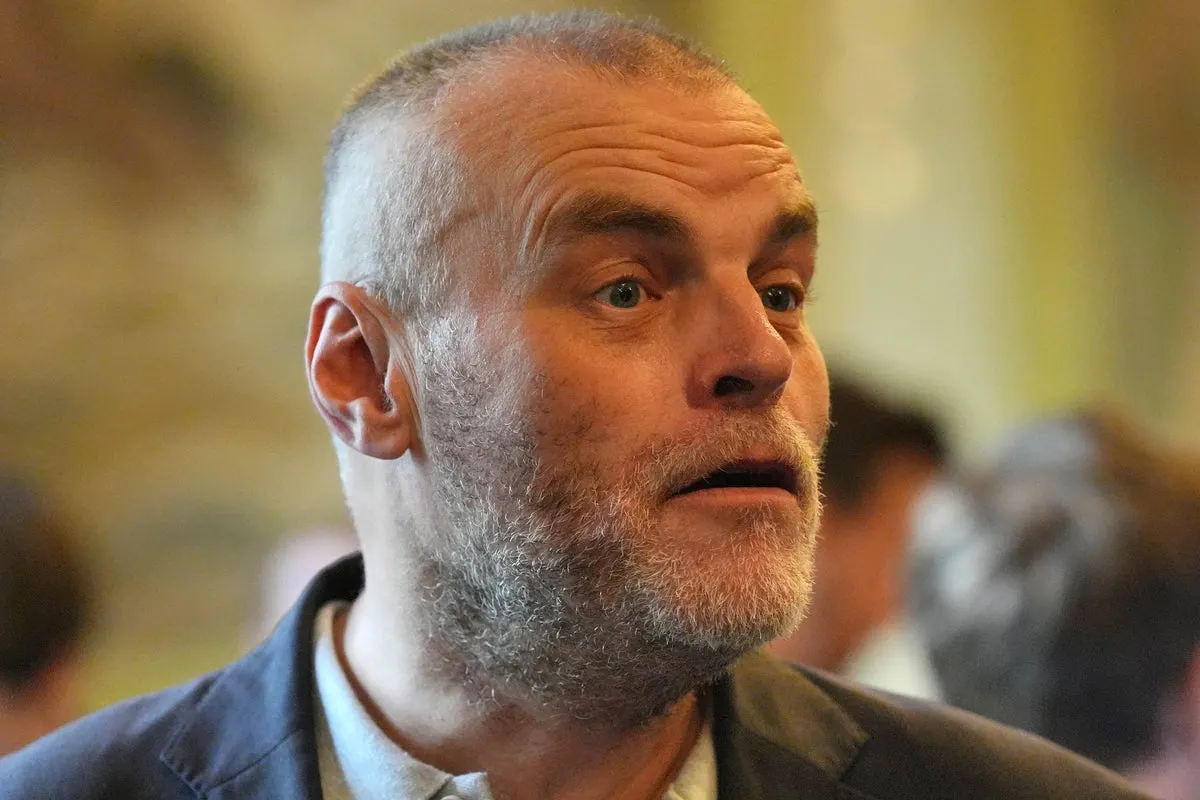
A civil war within Reform UK has intensified after senior party figure Tim Montgomerie was suspended for criticising home affairs spokesperson Zia Yusuf, prompting him to vow he will fight the decision as a "test case" of whether the party tolerates free speech and dissent. The row exposes deepening tensions at the top of Nigel Farage's party and threatens to overshadow what should otherwise have been a strong week following Farage's return to Parliament.
Montgomerie was suspended on Tuesday after telling a podcast that Yusuf was not a "team player" and had "freelanced" on Twitter, including over the endorsement of Conservative defectors Suella Braverman and Robert Jenrick. He also claimed Farage had not been informed of the suspension in advance, though Reform said its general secretary and chairman acted after "months of complaints" about his conduct. The dispute follows Farage's own public criticism of Yusuf last week for calling former defence secretary Ben Wallace a "traitor", and comes just days after Farage won the Clacton by-election to return to Parliament.
- Reform figure Tim Montgomerie suspended after criticising colleague Zia Yusuf
- Montgomerie vows to fight suspension as free speech "test case"
- Row overshadows Farage's Clacton by-election win last week
New here? Start with this
Reform UK is a political party led by Nigel Farage, who recently returned to Parliament as MP for Clacton. Its senior figures include home affairs spokesperson Zia Yusuf and Tim Montgomerie, a party ally of Farage who has also been involved in political campaigning and commentary.
The dispute reflects tensions over how the party’s senior members communicate and work together. Farage, Yusuf and Montgomerie have all been drawn into disagreements about public comments and party conduct, raising questions about how Reform handles dissent among its leaders.
Both sides, in good faith
The strongest fair case each way — we don't pick a winner.
The case for
The party leadership bears responsibility for maintaining coherence and professional standards among senior figures, particularly after reportedly tolerating months of complaints before acting. Montgomerie's public criticism of a party spokesperson on a podcast damages Reform's effectiveness and unity at a critical juncture, and the general secretary and chairman have a legitimate right to enforce conduct standards within their organisation. As a private party, Reform distinguishes itself from state censorship; internal rules need not mirror legal free speech protections to be justified.
The case against
A healthy political organisation requires senior figures to voice genuine concerns about colleagues and strategy, even publicly if internal channels prove ineffective. Suspending Montgomerie for criticism creates a chilling effect on legitimate dissent and raises questions about selective enforcement, given that Farage himself criticised Yusuf publicly days earlier without consequence. If Reform cannot tolerate internal disagreement from its own senior ranks, it risks becoming an organisation where problems fester rather than surface, ultimately weakening both its principles and its practical decision-making.