Business news and discussion on TalkFuse.
Republicans target Trump’s crypto empire with new plan, Dems say it falls short
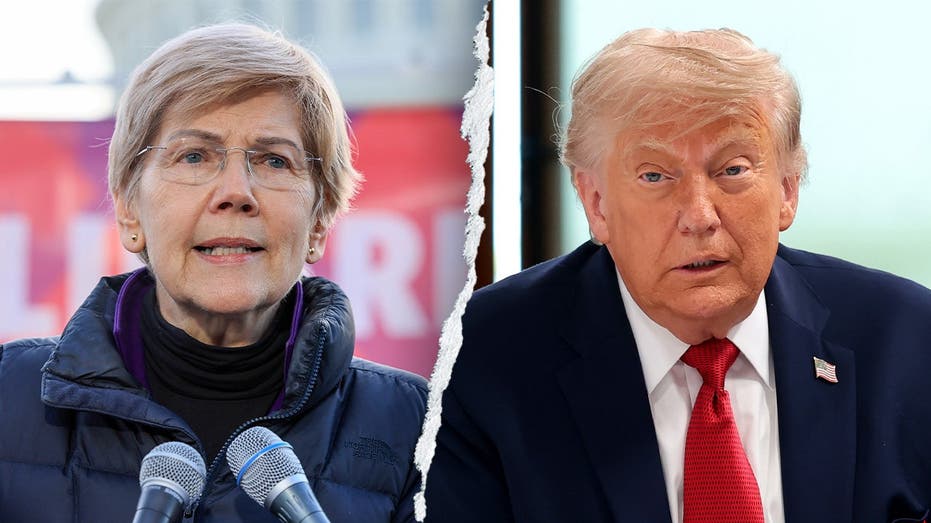
Senate Republicans have proposed ethics rules within the CLARITY Act that would restrict President Trump and other senior US officials from maintaining significant cryptocurrency business ties. The measure is intended to address concerns over conflicts of interest while allowing a wider bill regulating digital-asset markets to advance, but Democrats say the safeguards remain inadequate.
The draft restrictions would expire in 2029, be implemented within a year and be enforced by the Justice Department. Democrats want stronger rules on ethics, consumer protection, illicit finance and market integrity, and question whether an executive department can impartially police the president; the bill needs 60 Senate votes, requiring Democratic support. Trump reported more than $1.4 billion in crypto-related income in 2025, intensifying scrutiny of his business interests.
In short
- Republicans propose temporary limits on Trump’s crypto interests.
- Democrats say the ethics safeguards need strengthening.
- The bill requires bipartisan Senate support.
Steelman: both sides, in good faith
The strongest fair case each way — we don't pick a winner.
The case for
Senate Republicans argue their restrictions constitute substantive action on conflict-of-interest concerns, establishing meaningful limits on senior officials' cryptocurrency holdings whilst respecting property rights. The temporary structure and standard Justice Department enforcement represent a reasonable compromise, allowing the crucial bipartisan crypto regulatory framework to advance. Republicans contend that permanent executive restrictions would set problematic precedents, making this measured approach the pragmatic path forward.
The case against
Democrats argue that temporary safeguards offer no real protection; the president could simply maintain holdings until restrictions expire in 2029. Justice Department enforcement presents an inherent conflict of interest when it answers to the president, and meaningful oversight requires independent mechanisms. Comprehensive, permanent rules addressing consumer protection, market integrity and illicit finance are essential, particularly given the $1.4 billion in crypto assets at stake.
Explained simply
President Trump holds substantial business interests in cryptocurrency, reporting over $1.4 billion in cryptocurrency-related income in 2025. When government officials maintain significant wealth in industries they might regulate, there are concerns that personal financial interests could influence policy decisions. Senate Republicans have proposed new ethics rules within legislation called the CLARITY Act to address this by restricting senior officials from maintaining major cryptocurrency holdings.
The proposed rules would take effect within a year and expire in 2029, with enforcement by the Justice Department. Democrats argue the safeguards do not go far enough and question whether the Justice Department can fairly police the president's conduct. The measure is part of a broader bill regulating digital-asset markets that requires 60 Senate votes, meaning Democratic support is required for it to pass.
Business Crypto Government Politics World