Research roundup: 6 cool science stories we almost missed
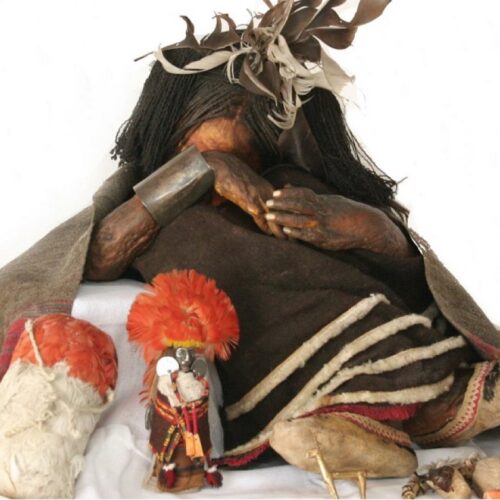
Ars Technica's monthly research roundup rounds up notable science stories that didn't get full write-ups elsewhere, spanning archaeology, entomology and astronomy. This instalment covers six items, including new forensic evidence on how an Incan sacrificial victim died, evidence that ancient Egyptian princesses could handle weapons, robotic cockroaches adapted for flood navigation, and fresh clues about a mysterious companion star to Betelgeuse.
Researchers reanalysing the remains of the "Boy of Cerro El Plomo," an Incan sacrifice victim, found he died of blunt force trauma from a star-shaped mace rather than freezing, based on CT scans, an unhealed skull fracture, and signs of a pre-death feast and long pilgrimage, published in Science Advances. A separate study in Frontiers in Environmental Archaeology re-examined royal burials from Egypt's Dahshur pyramid complex, including princesses Ita, Khenmet, Itaweret and Sathathormeryt, concluding via osteological and imaging analysis that they were likely skilled with the weapons buried alongside them. The roundup also references confirmation that a Medici duke died of malaria rather than poison, and the strongest evidence yet that a companion star orbits Betelgeuse, though full details on these and the remaining stories were not included in the available text.
- Incan sacrifice victim died from a mace blow, not freezing.
- Ancient Egyptian princesses were likely trained archers, study finds.
- Roundup also covers a Medici death mystery and Betelgeuse's companion star.