Rare Irish cattle arrive in Scotland to help restore rainforest habitat
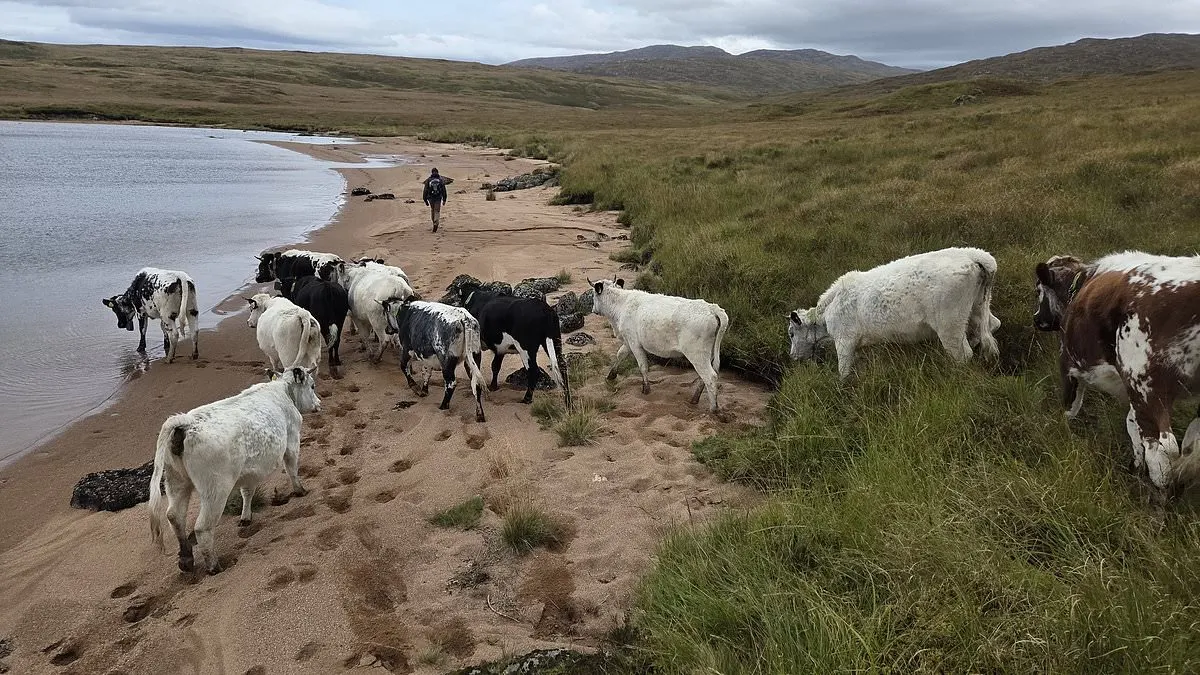
Twelve rare Droimeann cattle from Ireland have arrived at Ardtornish Estate on Scotland’s Morvern Peninsula to help restore rainforest habitat. Their grazing is intended to control bracken and coarse grasses, making room for a wider variety of plants and habitats to recover while supporting food production.
The herd is part of the West Highland rainforest renewal project and marks the breed’s return to Scotland after centuries. Restoration work has already reduced grazing pressure from sheep and deer and created native woodland; the cattle will now be used in selected areas. Recognised by the Irish Government as a native rare breed in 2020, Droimeann cattle were once widespread in Ireland but became rare as farming favoured specialised breeds.
- Twelve rare Irish cattle have arrived in Argyll.
- Their grazing will help manage bracken and coarse grass.
- Ardtornish hopes to establish a breeding herd and produce food.
New here? Start with this
Scotland's rainforests were once extensive but have largely disappeared over centuries. Restoring these habitats requires controlling the bracken and coarse grasses that currently dominate the landscape, allowing native plants and wildlife to recover naturally.
Droimeann cattle are a rare Irish breed that historically lived in Scotland but vanished from the country centuries ago. The breed also became scarce in Ireland as farmers switched to more specialised cattle varieties, though the Irish Government recognised them as a native rare breed in 2020.
The West Highland rainforest renewal project uses grazing animals to restore these habitats, having already reduced grazing by sheep and deer and planted native woodland. Droimeann cattle will now graze in selected areas to help control vegetation through their natural feeding habits whilst supporting food production on the estate.
Read the full article at the source →
Originally published by Daily Mail as “Revealed, the secret to saving our rainforests…a herd of Irish cows”.