Business news and discussion on TalkFuse.
Ribena owner invests in helping blackcurrants withstand extreme weather
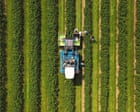
Ribena's owner, Suntory Beverage & Food, is investing £200,000 to help British blackcurrant bushes cope with increasingly extreme weather, after a difficult growing season squeezed this year's harvest. The move highlights how the climate crisis is disrupting traditional UK fruit and vegetable growing, with knock-on effects for both farmers' livelihoods and the supply of homegrown produce.
The 2026 harvest, now under way across East Anglia, Gloucestershire, Herefordshire, Kent and Scotland, is expected to come in around 10% below the average of 10,000 tonnes. Growers said bushes were battered first by one of the wettest winters on record, then by spring frosts and hail, and finally by June and July heatwaves that scorched fruit and caused premature dropping, with little rain forecast before the harvest ends in early August. Suntory is funding research alongside the Blackcurrant Foundation and the National Institute of Agricultural Botany at East Malling in Kent to improve soil health and develop hardier bush varieties, while other crops such as strawberries, potatoes and wheat are also reported to be under strain from the hot, dry spell.
In short
- Ribena owner invests £200,000 to help blackcurrant bushes withstand extreme weather
- UK harvest expected to be about 10% below average after wet winter, frost, heatwaves
- Research with Niab aims to build healthier soils and more resilient crop varieties
Steelman: both sides, in good faith
The strongest fair case each way — we don't pick a winner.
The case for
This investment exemplifies necessary corporate responsibility. Suntory is protecting its supply chain and the farming communities upon which it depends by funding scientific solutions to real, immediate challenges. Developing hardier blackcurrant varieties and improving soil health represent pragmatic adaptation to current climate realities. Companies have a duty to ensure their suppliers can continue operating whilst climate policy develops, making this targeted investment both ethically sound and commercially rational.
The case against
Whilst adaptation is necessary, such corporate initiatives risk misdirecting resources and attention from the fundamental problem – systemic climate change itself. A single £200,000 investment cannot address the escalating agricultural disruption that results from insufficient global climate action. Critics argue this represents corporate adaptation-washing, allowing major emitters and governments to defer urgent climate mitigation whilst companies fund increasingly expensive workarounds. Genuine food security requires transformative climate policy and industrial decarbonisation, not isolated corporate measures addressing symptoms rather than causes.
Explained simply
Blackcurrants are a traditional British crop, most famous as the main ingredient in Ribena, the drink that has been a staple in British homes for many decades. The fruit is grown across several regions including East Anglia, Gloucestershire, Herefordshire, Kent and Scotland, and forms a vital part of the supply chain for several food and drink manufacturers.
This year's growing season has been exceptionally difficult for blackcurrant farmers across the country. After one of the wettest winters on record, the bushes faced spring frosts and hail that damaged developing fruit, followed by summer heatwaves and very little rain that scorched berries and caused them to drop prematurely from the plants. As a result, the current harvest is expected to fall around 10% short of the typical annual yield of 10,000 tonnes.
The challenges facing blackcurrant production reflect a broader issue affecting British agriculture as climate becomes increasingly volatile and extreme. Other important crops including strawberries, potatoes and wheat are also suffering from the same hot, dry summer conditions, raising concerns about the long-term reliability of the homegrown produce that Britain's food industry and consumers have traditionally depended upon.