Rocket Report: “Panic” over Transporter availability; Isar to launch from Canada
This edition of Ars Technica's Rocket Report (Edition 9.02) rounds up recent developments across the global launch industry, with attention turning to Asia for the debuts of China's reusable Long March 10B and India's privately built Skyroot Vikram-1. The headline items include Germany's Isar Aerospace striking a deal to launch from Canada and the retirement of the veteran Pegasus rocket, reflecting a broader shift towards new operators, reusable stages and sovereign launch capability.
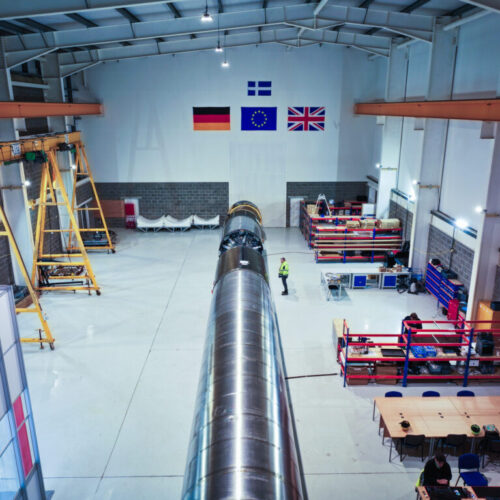
Among the key details: Rocket Factory Augsburg has set an 10 August window for a second attempt at RFA One's maiden flight from SaxaVord in Scotland, nearly two years after a static-fire fire. The final Pegasus XL flew on 4 July, launching the half-tonne "Link" satellite to boost NASA's Swift telescope from its low, 20.6-degree-inclination orbit. The US Space Force added Impulse Space and Relativity Space to its pool of eligible launch bidders, with Impulse offering its Helios kick stage (up to 9 km/s of delta-V). Isar plans to spend around $100 million building a pad at Maritime Launch's Nova Scotia site near Canso, starting construction this year for launches by 2028, while United Launch Alliance flew the last Atlas V for Amazon's Leo constellation, sending 29 satellites to orbit.
- Isar Aerospace will build a Canadian launch pad, targeting 2028.
- Final Pegasus rocket flew on 4 July after 35 years.
- Space Force adds Impulse Space and Relativity to launch bidders.