Rubio designates US citizen held in China as wrongfully detained as Trump prepares to host Xi at White House
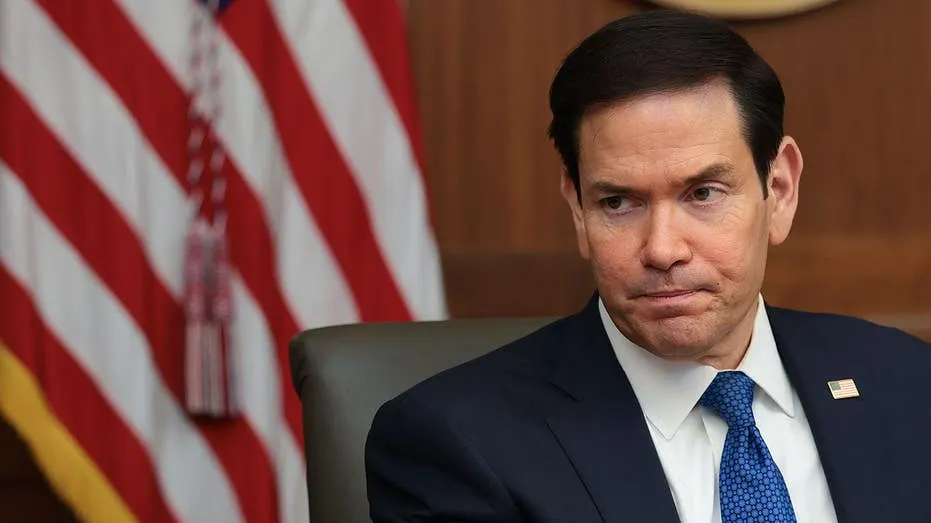
The Trump administration has designated American scholar Min Zin as "wrongfully detained" in China, after he travelled there at Beijing's invitation. The move, announced by Secretary of State Marco Rubio, comes just weeks before President Donald Trump is due to host Chinese President Xi Jinping at the White House, adding a point of tension to the diplomatic run-up to that visit.
The formal "wrongful detention" designation is a significant legal and diplomatic step, typically triggering greater US government resources and advocacy to secure a detainee's release. Details of the exact circumstances of Min Zin's detention were not fully provided in the available report, but the timing—shortly before a high-profile Trump-Xi meeting—underscores the sensitivity of the case within the broader US-China relationship.
- Rubio designates US scholar Min Zin wrongfully detained in China
- Move comes weeks before Trump hosts Xi at the White House
- Zin had travelled to China at Beijing's invitation
New here? Start with this
The United States and China are major powers with a relationship shaped by trade, security disputes and disagreements over human rights. Their leaders, US President Donald Trump and Chinese President Xi Jinping, meet to discuss issues affecting both countries and the wider world.
Min Zin is an American scholar who went to China at the invitation of its government and was detained there. The US government can label a case “wrongful detention” when it believes an American is being held unjustly; the designation can bring additional official support and advocacy for the person’s release.
The case matters because detentions of citizens can become part of wider diplomatic discussions between governments. It also sits within a relationship where cooperation and tensions are handled alongside one another.
Both sides, in good faith
The strongest fair case each way — we don't pick a winner.
The case for
The US government has a fundamental responsibility to advocate for wrongfully detained citizens and use all available diplomatic tools to secure their freedom. The formal designation carries significant weight in international norms and may effectively pressure Beijing to address the situation; delaying such action out of diplomatic courtesy would undermine both American values and potentially the detainee's interests by suggesting his case is negotiable.
The case against
Announcing high-stakes detention designations immediately before pivotal diplomatic summits risks counterproductive escalation and may inadvertently make the individual a bargaining chip rather than a humanitarian concern. Experienced diplomacy often succeeds through discreet private channels that spare both nations the need for public posturing, providing realistic pathways to resolution that dramatic public designations, however well-intentioned, may actually impede.