Russia-linked threats cost UK businesses and taxpayers £2.5bn a year
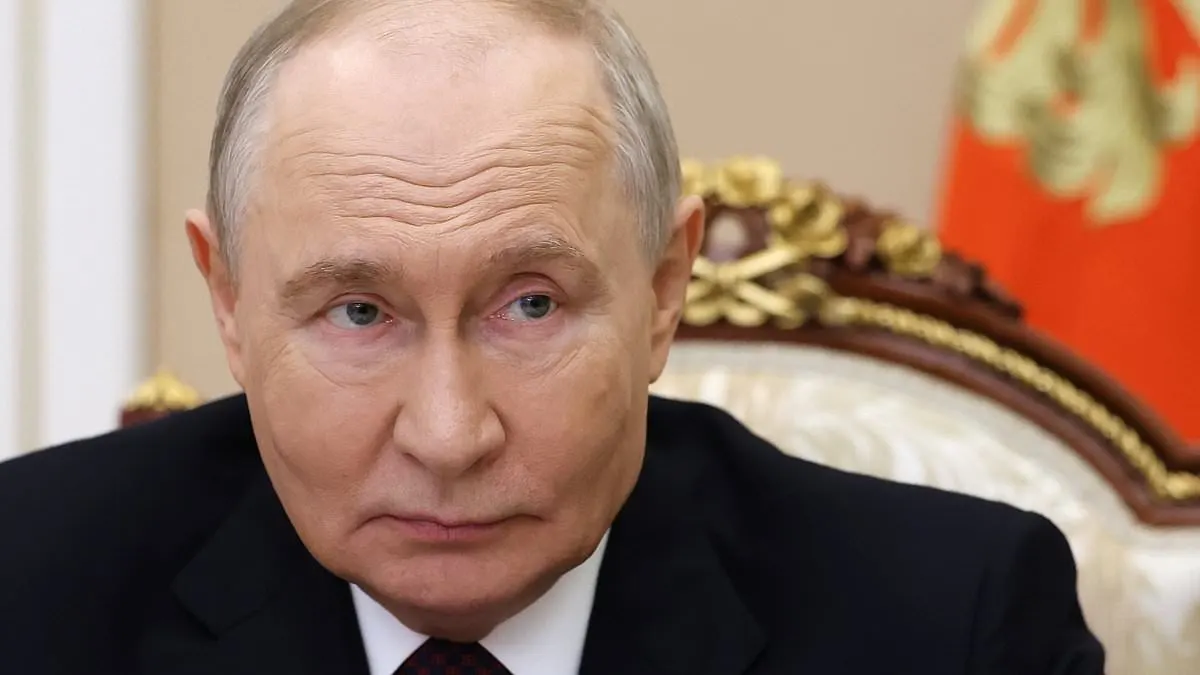
An independent report has revealed that defending Britain against Russian hostile activity costs taxpayers and businesses more than £2.5 billion annually, termed the "Putin Tax". This represents a significant economic burden from Russia's hybrid warfare campaign, encompassing cyber-attacks, damage to critical infrastructure, and attacks on major private companies.
Russian cyber-attacks have cost an estimated £1.5 billion, whilst damage to subsea cables beneath the Atlantic amounts to up to £500 million. Private sector losses total a further £500 million, following attacks on companies including Jaguar Land Rover, Royal Mail, and NHS suppliers. More than 300 Russian-linked cyber incidents have affected the UK since 2022, with intelligence indicating that three out of four incidents targeting the nation's critical infrastructure originate from hostile states.
- Russia's hybrid warfare costs UK £2.5bn annually in defence costs
- Cyber-attacks account for £1.5bn; subsea cable damage costs £500m
- Over 300 Russian cyber incidents hit UK since 2022
New here? Start with this
Russia has been conducting campaigns of hostile activities against Britain including cyber-attacks and damage to critical infrastructure such as undersea cables. The UK spends significant money defending against these threats and repairing the damage they cause. An independent report has calculated the annual cost to taxpayers and businesses at over £2.5 billion.
The reported costs break down into cyber-attacks at £1.5 billion, damage to undersea cables beneath the Atlantic at up to £500 million, and losses to private companies including Jaguar Land Rover, Royal Mail, and NHS suppliers totalling a further £500 million. Since 2022, more than 300 Russian-linked cyber incidents have affected the UK, targeting banks, energy supplies, and other critical services. Intelligence agencies report that most attacks on the UK's critical infrastructure come from hostile states, with Russia being the primary source.
This ongoing activity affects businesses, public services, and ordinary taxpayers through the cost of defending against attacks and repairing damage. The scale of the campaign suggests Russia views these activities as a continuing strategy to weaken British stability and prosperity. This context helps explain why the UK government and businesses invest heavily in cybersecurity and infrastructure protection.
Both sides, in good faith
The strongest fair case each way — we don't pick a winner.
The case for
The analysis documents substantial verified costs from Russian hostile activity, including specific incidents affecting major companies, critical infrastructure, and communications cables. This represents a genuine economic burden from a hostile state that justifies serious policy attention and defensive investment.
The case against
The calculations require uncertain judgments about attributing costs specifically to Russian actors, some costs may derive from cyber-crime more broadly, and the 'Putin Tax' framing is politically charged. These figures should be interpreted cautiously and contextualized against other cyber-security threats before shaping policy response.
Read the full article at the source →
Originally published by Daily Mail as “Russian hostile activity is costing UK taxpayers and businesses up to £2.5 billion a year, report says”.