Save the Children aid for 1.5 million in need wiped out by Iran war oil shock
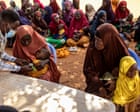
Save the Children has warned that the oil price surge triggered by the US war on Iran is undermining its ability to deliver aid, saying it is now forced to "spend more to reach fewer children". The charity says higher transport, fuel, food and medical supply costs linked to the Middle East conflict have already diverted resources that could have reached an additional 1.5 million children, with developing countries bearing the brunt as governments impose energy restrictions amid what the International Energy Agency has called the largest supply disruption in history.
The charity calculated the extra delivery costs at $13m (£10m), equivalent to running 47 health clinics in Afghanistan for six months or five 30-bed hospitals in Somalia for a year. Oil, expected to average around $60 a barrel in 2026, surged above $100 after the US attacked Iran and Tehran restricted the strait of Hormuz; prices eased after a summer ceasefire but have climbed back above $90 as hostilities resume, also pushing up fertiliser and food costs. The squeeze compounds a broader decline in aid funding, with global aid spending down 23% in real terms last year following cuts by the US and UK, prompting renewed calls for Britain to restore its 0.7% aid spending target.
- Iran war oil shock has cost Save the Children $13m in extra delivery costs
- Charity says it could have reached 1.5 million more children with that money
- Crisis compounds global aid cuts, with spending down 23% last year
New here? Start with this
Save the Children, a leading international charity that provides health, food and other aid to children in poor and conflict-affected countries, has said the cost of delivering its work has surged because of an oil price spike linked to the recent war between the United States and Iran. When fuel, transport and food prices rise, aid organisations have to spend more money to move and deliver the same amount of supplies, which typically means fewer people can be reached with the same budget.
The oil price rise stems from the conflict around the Strait of Hormuz, a narrow shipping route through which a large share of the world's oil passes; disruption there tends to push global energy prices up sharply. This comes on top of an already difficult period for aid agencies, which have faced significant funding cuts from major donor countries including the US and UK in recent years.
The situation matters because it illustrates how conflicts far from the world's poorest regions can still have a direct, practical impact on humanitarian efforts there, by driving up the cost of essentials like fuel, food and medical supplies. Save the Children is one of several charities warning that rising costs, combined with reduced donor funding, are making it harder to support children in places such as Afghanistan and Somalia.
Both sides, in good faith
The strongest fair case each way — we don't pick a winner.
The case for
Advocates for restoring and protecting aid budgets argue that humanitarian funding is a moral obligation to the world's most vulnerable, and that cutting it now, just as external shocks like an oil price spike raise delivery costs, compounds suffering for children who have no say in geopolitical conflicts. They contend that returning to the 0.7% aid target is a matter of keeping promises and maintaining Britain's reputation and influence as a reliable humanitarian actor, and that the relatively modest sums involved are dwarfed by the human cost of withdrawal, including preventable deaths, malnutrition and lost access to healthcare in fragile states.
The case against
Those who favour restraint argue that governments must weigh aid spending against pressing domestic priorities, including tight fiscal budgets, rising defence needs and cost-of-living pressures at home, and that taxpayers' willingness to fund overseas aid is not unlimited, especially during periods of economic strain. They contend that with volatile energy markets driving up the cost of everything from defence to public services, ministers have a responsibility to set spending priorities based on a broad national interest rather than committing to a fixed percentage target regardless of circumstance, and that other levers, such as diplomatic efforts to end the underlying conflict, may do more to help affected populations than incremental increases in aid budgets.