Schooled for success: how English lessons power Midtjylland’s talent factory
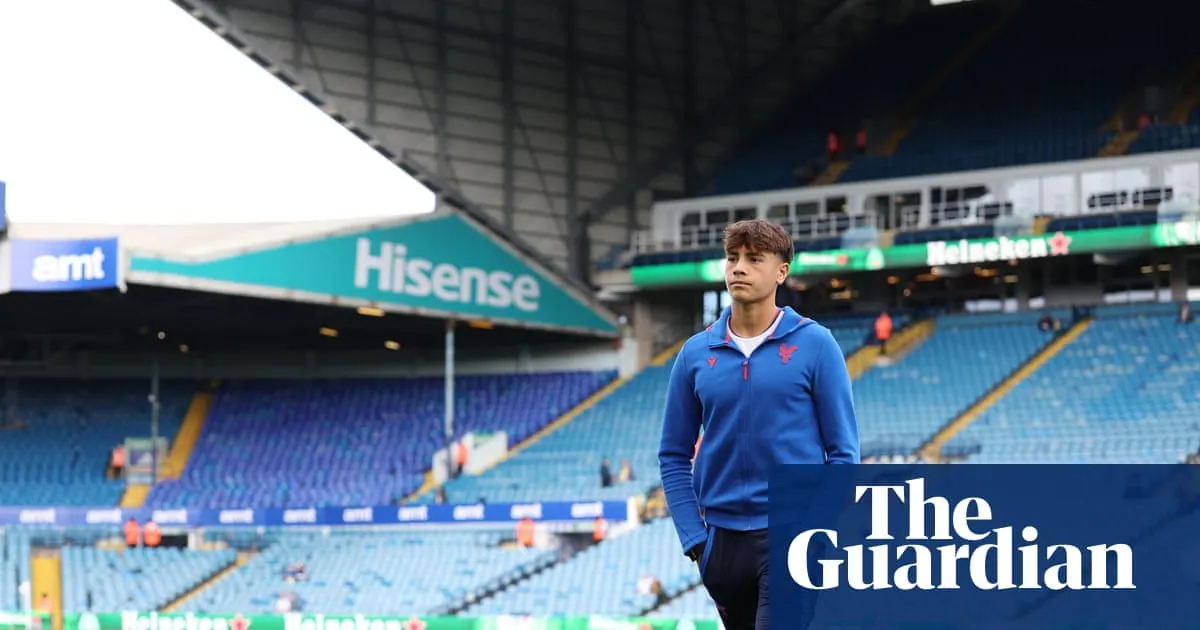
Midtjylland’s record summer transfer profits reflect a development system built around preparing young players for international football. The Danish club says English lessons, coaching and support with life off the pitch help recruits settle in, communicate with staff and progress to bigger leagues.
The squad has 17 nationalities across five continents, and players must take English lessons at least three times a week. Sales of Franculino Djú and Darío Osorio could bring in €62m, while Aral Simsir and Lee Han-beom’s moves added €25m; Osorio’s Palace deal includes an obligation to buy for £22.3m, plus up to £3.4m in bonuses.
- Midtjylland had its most profitable transfer window.
- English lessons are central to its player development.
- Osorio’s Palace deal could reach £25.7m.
New here? Start with this
Midtjylland is a Danish football club that has built its approach to developing young players around support that extends beyond just football coaching. The club requires players to take English lessons and provides help with settling into life off the pitch, viewing these as essential elements of player development.
The club recruits talented young players from around the world, with its squad currently representing 17 different nationalities from five continents. Every player must attend English lessons at least three times a week, allowing them to communicate with staff and teammates whilst adjusting to life in Denmark.
The club's philosophy is that this comprehensive support system prepares young players for the next stage of their careers in bigger leagues. The approach appears to be working, as young players developed at Midtjylland regularly secure moves to larger clubs.
Both sides, in good faith
The strongest fair case each way — we don't pick a winner.
The case for
Midtjylland's model represents enlightened player development that recognises modern football's global reality. By providing intensive English tuition, professional coaching, and comprehensive life support, the club enables young talents from diverse backgrounds to flourish both on and off the pitch. The substantial transfer profits demonstrate the approach's effectiveness; players are leaving better prepared for international careers and financial security. This benefits the athletes themselves whilst creating a sustainable revenue model that funds further investment.
The case against
Whilst commercially successful, the model functions primarily as a commodification pipeline rather than genuine player development. The emphasis on English lessons and international conditioning suggests the club's actual aim is making young players market-ready for resale rather than developing them for their own futures. This extractive approach concentrates elite development resources in wealthy clubs, potentially undermines domestic talent pathways, and raises ethical questions about whether players are being supported as whole human beings or simply packaged as financial assets to be traded at maximum profit.