Scrap windfall tax on oil and gas firms early, North Sea industry urges
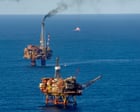
The North Sea oil and gas industry has urged Labour to scrap the windfall tax on fossil fuel firms three years early, replacing it in 2027 rather than 2030, just as UK household energy bills are set to hit their highest level since Russia's invasion of Ukraine. Trade body Offshore Energies UK (OEUK) wants a narrower levy applied only during price spikes, and is also pushing for approval of the Rosebank and Jackdaw gasfields and looser sector regulation. The timing is contentious, as it coincides with rising wholesale gas prices driven by the Iran war, from which firms like Shell and BP have already profited heavily, prompting accusations from campaigners of profiteering during a cost-of-living crisis.
The current energy profits levy, introduced in 2022 after record fossil fuel profits, would be replaced by a 35% tax on revenue above a set price threshold. OEUK claims bringing the change forward could unlock up to £50bn of North Sea investment and generate £14.9bn in extra tax over a decade, though only £2.4bn of that would come directly from oil and gas levies, with the rest projected from jobs the investment might create. Critics, including Greenpeace and Tax Justice UK, argue the tax should instead be strengthened to fund cost-of-living support, while a decision on the Jackdaw field is reportedly being delayed until after next month's Holborn and St Pancras byelection.
- Industry wants windfall tax scrapped by 2027, not 2030
- Comes as energy bills set to hit three-year high
- Campaigners accuse firms of profiteering from Iran war price spike