Seaside resort’s Parkrun is suspended after being overwhelmed by tourists and ‘ego-driven’ runners wanting to set personal bests
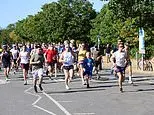
A Parkrun event at a popular seaside resort has been suspended after organisers said it was being overwhelmed by large numbers of tourist participants and runners more focused on chasing personal best times than on the event's community spirit. Organisers cited concerns over safety, course capacity and the strain on volunteers, arguing the free weekly 5k run had grown beyond what the route and marshals could safely manage. The move highlights a wider tension within the Parkrun movement between its inclusive, non-competitive ethos and the popularity it has gained among visiting runners and personal-best seekers.
Volunteers and organisers reportedly described some participants as "ego-driven," prioritising fast times over the relaxed, all-abilities atmosphere Parkrun was designed to foster. The surge in attendance, driven partly by holidaymakers visiting the resort, put pressure on marshalling numbers and course logistics, prompting the temporary suspension while a solution is worked out. It remains unclear when or under what changes the event might resume.
- Seaside Parkrun suspended over overcrowding from tourists and time-chasers
- Organisers say safety and volunteer capacity were being overwhelmed
- Highlights tension between Parkrun's community ethos and competitive runners
New here? Start with this
Parkrun is a free, timed 5km event held regularly in parks and other public spaces. It is organised by volunteers and welcomes people of different ages and abilities, who can run, jog or walk.
The events are part of a wider network, and some attract extra participants when visitors come to the area. Organisers need to match attendance to the course and the number of volunteers available to manage it safely.
Parkrun records participants’ times, but its stated emphasis is on taking part and community. That can create tension when more people arrive hoping to run quickly or improve their personal bests.
Both sides, in good faith
The strongest fair case each way — we don't pick a winner.
The case for
The Parkrun movement was founded on inclusive community participation rather than competitive racing. When an event becomes dominated by tourists and runners chasing personal records, it fundamentally transforms the experience for casual participants and overwhelms volunteer infrastructure designed for a different scale. Suspending the event to protect its core values and allow proper planning to restore a sustainable, inclusive atmosphere is responsible stewardship of what makes Parkrun valuable to communities.
The case against
Growing attendance demonstrates Parkrun's appeal and success, bringing public health benefits and expanding the organisation's reach. Rather than suspending the event entirely and excluding everyone—including loyal community participants—organisers should embrace adaptive management: recruiting additional volunteers, adjusting the course layout, or implementing staggered starts. Competitive runners and tourists are simply people choosing to participate in free exercise, and suspension seems an unnecessarily draconian response to a capacity problem better solved through organisation.