Second Israel game won’t be a friendly – Hallgrimsson
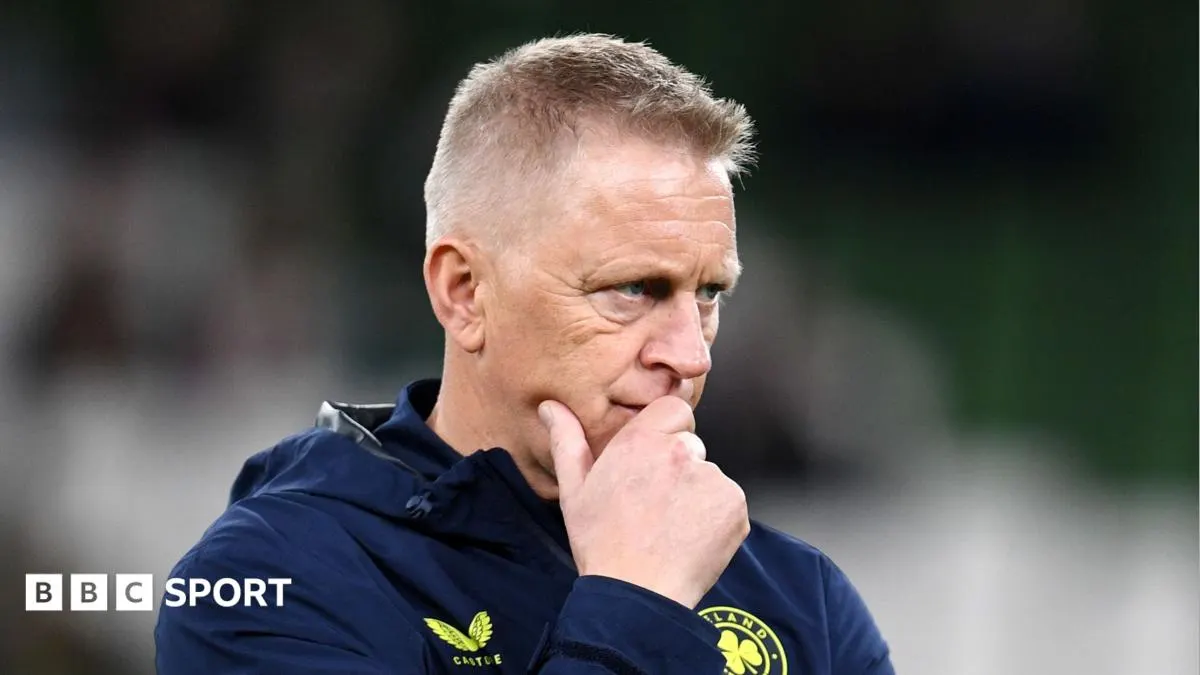
Ireland beat Israel 3-0 in last week's Nations League fixture, but Israel captain Manor Solomon responded with inflammatory comments, claiming his country is "10 times better" than Ireland's. Coach Heimir Hallgrimsson has warned that Sunday's second match will not be friendly, with tensions clearly escalating following the heated exchange. The fixture is set against a backdrop of ongoing protests in Ireland against the FAI's decision to fulfil the Nations League matches.
The second fixture will be played behind closed doors in Backa Topola, Serbia, after being moved from Dublin due to fan protests. Hallgrimsson acknowledged the emotional and physical toll on his squad, attributing their 2-2 draw with Austria on Thursday to fatigue stemming from the surrounding controversy. The Irish team has faced significant pressure from the 'Stop The Game' campaign, with goalkeeper Gavin Bazunu withdrawing from both Israel matches on principle. Despite the challenges, Hallgrimsson expressed gratitude for supporter backing and vowed his team would be ready for the test.
- Israel captain's inflammatory comments after 3-0 loss escalate tensions
- Second match Sunday is behind closed doors in Serbia after protests
- Hallgrimsson warns of emotional toll on squad before rematch
New here? Start with this
Ireland and Israel are scheduled to play in the Nations League, a competitive tournament for European national football teams. Ireland won their first fixture last week by a significant margin, but the result sparked controversy when Israel's captain claimed his country was vastly superior.
The exchange triggered protests in Ireland against the Football Association of Ireland's decision to stage both Nations League fixtures. The objections were strong enough that the second match has been moved from Dublin to Serbia and will be played behind closed doors, severely limiting attendance.
The controversy has placed strain on the Irish squad and supporters. Some players have chosen to withdraw from the matches, and the surrounding disputes have reportedly affected team morale as they prepare for Sunday's return fixture. The initial result and the subsequent exchanges have created a notably tense atmosphere for what is normally a routine international competition.
Both sides, in good faith
The strongest fair case each way — we don't pick a winner.
The case for
International football must remain a competition that transcends political disputes; allowing geopolitical grievances to determine which matches proceed undermines the foundation of international sport. The FAI's decision to honour their Nations League commitments upholds sporting integrity and respects the principle that athletes should not be penalised for their country's politics. Using sport as a vehicle for political boycotts sets a problematic precedent and lacks principled consistency across nations, and the Israeli players competing represent athletes, not governmental policy.
The case against
Sporting institutions bear moral responsibility for considering the human rights implications of their decisions and the values they implicitly endorse through participation. When substantial portions of supporters and players withdraw on ethical grounds regarding the conflict, institutions should genuinely engage with those principled concerns rather than dismiss them as political interference. Sport inherently carries political significance through legitimacy and visibility; proceeding despite widespread moral objections disrespects supporters' conscience, and institutions should retain the right to withdraw from competitions when circumstances become ethically untenable.