SEE IT: Massive NYC homeless encampment fuels backlash against Mamdani
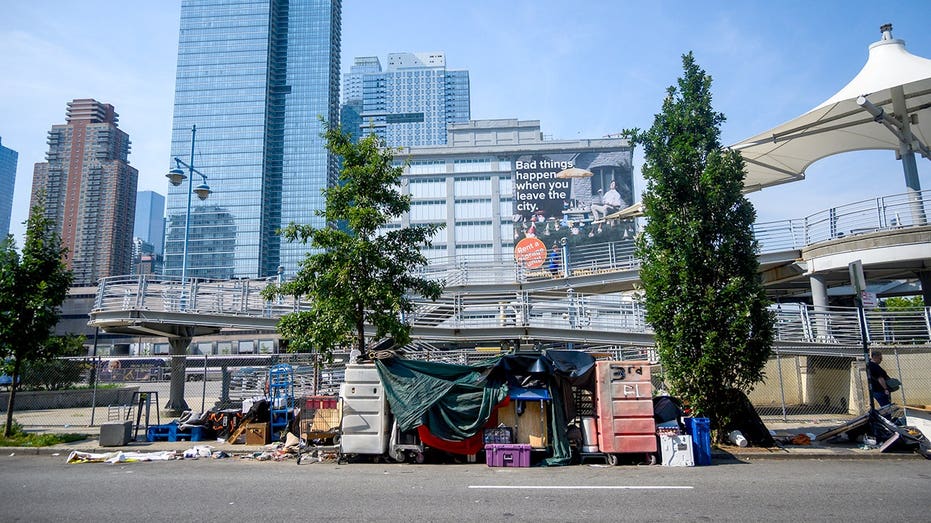
A large homeless encampment stretching roughly 12 blocks along Manhattan's West Side, near the Intrepid Museum, has become a flashpoint of criticism directed at New York City Mayor Zohran Mamdani. Residents, workers and visitors say the city is failing to tackle the tents, rubbish and reported illegal activity accumulating in the area, framing it as evidence that Mamdani's approach to homelessness is falling short.
Fox News Digital spoke to several people living, working and passing through the neighbourhood who voiced frustration at the scale and persistence of the encampment. The report ties the criticism directly to Mamdani's administration, presenting the encampment as a visible test case for his handling of homelessness policy in the city.
- Large homeless encampment spans 12 blocks near Intrepid Museum in Manhattan
- Locals say NYC isn't doing enough about tents, trash, crime
- Criticism directed at Mayor Zohran Mamdani's homelessness approach
Both sides, in good faith
The strongest fair case each way — we don't pick a winner.
The case for
Supporters of the policy argue that clearing encampments without offering genuine alternatives simply displaces people and destroys their belongings, medication and documents, making it harder for outreach workers to build the trust needed to connect people with shelter, healthcare and permanent housing. They contend that policing homelessness criminalises poverty rather than addressing its causes, and that resources are better spent on housing-first programmes, mental health and addiction services than on repeated, costly sweeps that produce little lasting change. From this view, visible encampments are evidence of a housing and services shortfall the city must fix, not a policing problem.
The case against
Critics counter that a sprawling, unaddressed encampment spanning a dozen blocks creates real dangers around sanitation, fire risk, drug use and crime that affect residents, workers, tourists and the homeless people living there themselves. They argue that public streets and spaces belong to everyone and that a functioning city needs enforceable standards, with clear rules giving outreach teams leverage to move people toward shelter and treatment rather than allowing indefinite encampment. For this side, the absence of consequences removes any incentive to accept help, leaving the most vulnerable stuck outdoors while eroding public trust in the city's ability to manage its own streets.