Fiennes reportedly wrote secret will during Everest marriage crisis
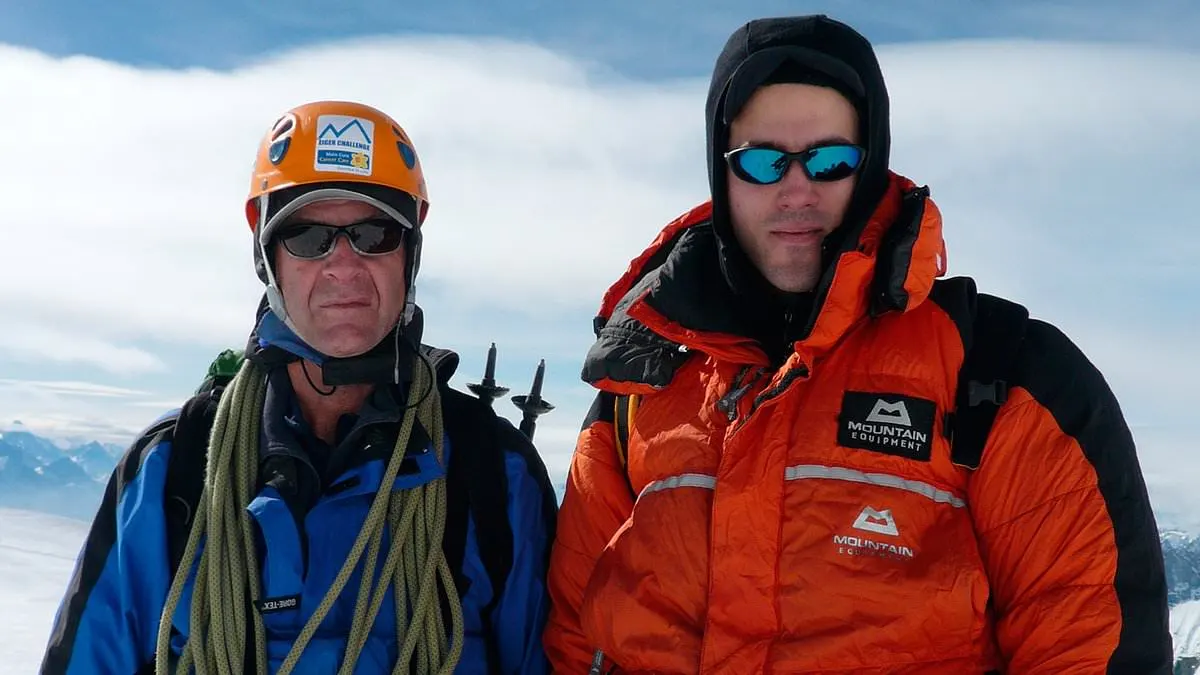
Sir Ranulph Fiennes, the renowned explorer, allegedly wrote a secret will at Mount Everest base camp in May 2008 following a crisis in his marriage to Louise Millington-Cotes. His friend Michael Kobold has disclosed that Sir Ranulph had planned to divorce his wife, but she discovered the plan and he subsequently changed his mind. Kobold has retained the sealed will for 18 years and has now decided to make the matter public.
The disclosure emerges alongside wider concerns about Sir Ranulph's welfare, as he has been largely out of public view in recent years. Kobold alleges he witnessed treatment of Sir Ranulph in 2008 that he characterises as "a ceaseless barrage of attacks" by Mrs Millington-Cotes. The explorer, 82, has Parkinson's disease and was reportedly moved between multiple care homes with his identity concealed, prompting friends to seek investigations by the Office of the Public Guardian.
- Explorer allegedly wrote secret will when wife blocked his divorce plans.
- Friend retained sealed will unopened for 18 years.
- Serious concerns now raised about his welfare and whereabouts.
New here? Start with this
Sir Ranulph Fiennes is a renowned British explorer known for leading expeditions to some of the world's most extreme environments. He is now 82 years old and has Parkinson's disease.
According to his friend Michael Kobold, Sir Ranulph wrote a secret will whilst at Mount Everest base camp in May 2008 during a crisis in his marriage to Louise Millington-Cotes. Kobold claims Sir Ranulph had planned to divorce but his wife discovered this intention, after which Sir Ranulph changed his mind, whilst Kobold retained the sealed will for 18 years before disclosing it publicly.
The disclosure has emerged alongside wider concerns about Sir Ranulph's wellbeing, as he has been largely out of public view in recent years. Friends have raised questions about his welfare, citing reports that he has been moved between multiple care homes with his identity concealed, and have sought investigations by the Office of the Public Guardian.
Both sides, in good faith
The strongest fair case each way — we don't pick a winner.
The case for
Those advocating for disclosure argue that safeguarding concerns about an elderly man with Parkinson's disease being moved between care homes with his identity concealed warrant public scrutiny. They contend that a close friend's longstanding concerns about alleged mistreatment, combined with unusual care arrangements, justify bringing the matter to light so proper authorities and public attention can ensure adequate protection of a vulnerable person. Friends and loved ones have a responsibility to speak up when they believe someone is being harmed, particularly when standard channels may prove inadequate.
The case against
Those prioritising privacy argue that making private family matters public based on hearsay allegations from 2008 and unverified claims of mistreatment violates the dignity of all parties and risks unfair reputational damage without due process. They contend that proper legal channels—social services, the Office of the Public Guardian, and other authorities—exist precisely to handle such sensitive matters confidentially and thoroughly, and that a friend's perception of events from nearly two decades ago or of current care arrangements may not reflect the complete picture or the individual's own preferences regarding his care.
Read the full article at the source →
Originally published by Daily Mail as “Sir Ranulph ‘drew up secret will on Everest trek after wife vetoed his plan to divorce her’”.