Slug prediction maps could cut pesticide use on arable farms
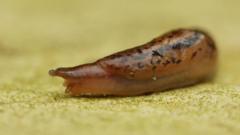
Researchers at Harper Adams University in Shropshire, working with 28 farmer "slug sleuths", have developed "prediction maps" that could help arable farmers control slugs eating their crops in a more environmentally friendly way. The work matters because it promises more precise, targeted slug control that reduces reliance on pesticides and lessens the potential harm to biodiversity.
The maps form part of a three-year, £2.6 million programme funded by Defra, known as SLIMERS (Strategies Leading to Improved Management and Enhanced Resilience to Slugs), involving more than 100 farms. Professor Keith Walters said the research confirmed how slug clusters temporarily reform in unexpected places after soil becomes waterlogged before returning to predicted areas, and that the model works and fits modern commercial equipment. Bedfordshire wheat farmer Charles Paynter said it would let him use more targeted treatments and assess slug risks with greater accuracy.
Read the full article at the source →
Originally published by BBC Science as “Slug sleuths on the trail of gorging gastropods”.