Social media is Lindsay Clancy wild card that could tilt potential retrial to the defense, retired judge says
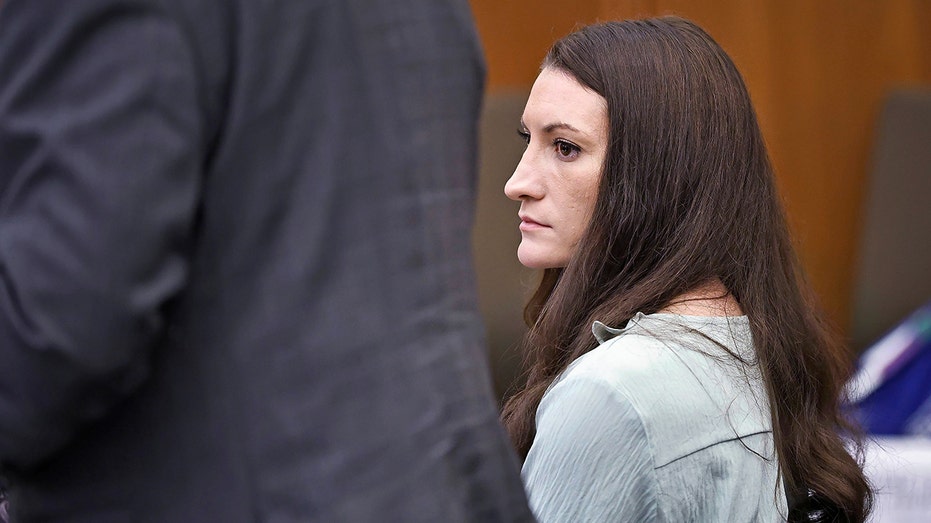
A Massachusetts jury weighing murder charges against Lindsay Clancy has twice reported it is deadlocked, prompting Judge William Sullivan to issue a Tuey-Rodriguez charge urging jurors to keep deliberating. Clancy, 36, is accused of strangling her three young children, Cora, Dawson and Callan, at the family home in January 2023, and faces three counts of first-degree murder. Retired judge Jack Lu says a mistrial and retrial would traditionally favour prosecutors, but that intense social media coverage – as seen in the Karen Read case – has made outcomes far less predictable and could work in the defence's favour.
Jurors are considering verdicts ranging from first- or second-degree murder to manslaughter, or a finding of not guilty by reason of insanity, after a trial involving more than 80 witnesses and 300 exhibits. Clancy's attorney, Kevin Reddington, says he would pursue a retrial if one is needed but doubts she could cope emotionally with the strain. A GoFundMe for Clancy's parents has raised over $830,000, though it remains unclear how any retrial defence costs would be covered.
- Clancy murder jury deadlocked twice; judge urges further deliberation
- Retired judge says social media could favour defence in any retrial
- Case involves 80+ witnesses, 300 exhibits; verdict options include insanity finding
New here? Start with this
Lindsay Clancy, a 36-year-old former nurse from Massachusetts, is on trial accused of strangling her three young children, Cora, Dawson and Callan, at the family home in January 2023. She faces three counts of first-degree murder, and the jury must decide between verdicts ranging from murder or manslaughter to a finding of not guilty by reason of insanity.
The jury has twice told the court it cannot reach a unanimous decision, leading the trial judge to issue a standard instruction urging them to keep trying rather than declare a mistrial. If jurors remain deadlocked, the case could end without a verdict and potentially require a full retrial, which would mean assembling a new jury and repeating a trial that has already involved more than 80 witnesses and hundreds of pieces of evidence.
The case has drawn heavy public and social media attention, similar to other closely watched American murder trials. Legal commentators are now debating how that scrutiny might affect a retrial, since juror attitudes shaped by online discussion are seen as less predictable than in the past, potentially benefiting either side.
Both sides, in good faith
The strongest fair case each way — we don't pick a winner.
The case for
Those sympathetic to the defence's position argue that a hung jury and possible retrial genuinely could favour Lindsay Clancy, given that intense, sustained social media attention has repeatedly shown it can reshape public and juror sentiment in unpredictable ways, as seen in the Karen Read case. They would note that a case resting so heavily on psychiatric and insanity evidence is inherently difficult for any single jury to resolve unanimously, and that a fresh jury, potentially influenced by a shifted public mood, could be more receptive to a lesser verdict or an insanity finding, particularly if sympathy generated by extensive online coverage and fundraising humanises Clancy's mental state at the time of the killings.
The case against
Those who see the traditional prosecutorial advantage as the more likely outcome argue that retrials typically benefit the state because prosecutors can refine their presentation using knowledge of what worked or failed with the first jury, while the defence loses the element of surprise and must again counter overwhelming physical evidence across three counts of first-degree murder. They would caution against assuming social media sentiment translates into juror bias, noting that jurors are instructed to decide strictly on evidence and testimony from over 80 witnesses, and that placing weight on online mood risks trivialising a case that should be settled on the facts of the children's deaths rather than public opinion trends.