Sophie Cunningham speaks out against DiJonai Carrington after flagrant foul and ‘White privilege’ post
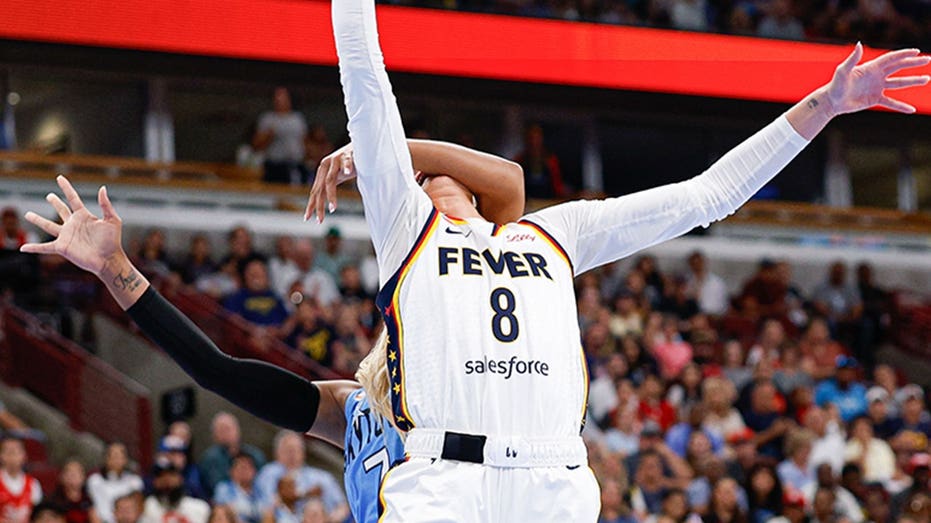
Indiana Fever guard Sophie Cunningham criticised Chicago Sky player DiJonai Carrington after Carrington struck her across the face during a WNBA game, resulting in Carrington's ejection. The incident has fuelled wider controversy after Carrington subsequently posted about "White privilege" in relation to the ejection, drawing scrutiny over how the WNBA disciplines players and adding to ongoing debates about race and conduct in the league.
The flagrant foul occurred in the first half of the Fever's 90-86 win on Saturday, as Carrington hit Cunningham in the face during a layup attempt. Cunningham called the foul "unnecessary," while the WNBA now faces questions over what disciplinary action, if any, it will take against Carrington.
- Carrington ejected for flagrant foul on Cunningham during Fever win
- Cunningham called the hit "unnecessary" afterwards
- Carrington's "White privilege" post sparks WNBA discipline debate
New here? Start with this
Sophie Cunningham and DiJonai Carrington are professional basketball players in the WNBA, the top women's league in the United States, playing for the Indiana Fever and Chicago Sky respectively. Cunningham has built a public profile partly through outspoken commentary on the league, while Carrington is a Chicago Sky guard. The two teams met in a game that turned heated after a hard foul left officials to eject Carrington.
The episode taps into a broader, ongoing debate within the WNBA about how consistently the league punishes rough or dangerous play, and whether decisions are influenced by factors beyond the foul itself, including race. Some fans and commentators have argued that certain players face harsher scrutiny than others, while the league has faced repeated calls this season to clarify its disciplinary standards.
This particular incident matters because it has moved beyond an on-court foul into a public argument about fairness and bias, drawn in national commentary, and put pressure on the WNBA to explain how it will handle any punishment for Carrington.
Both sides, in good faith
The strongest fair case each way — we don't pick a winner.
The case for
Those sympathetic to Carrington's framing argue that this incident cannot be separated from a broader pattern in which Black players in the WNBA face harsher media scrutiny, fan backlash and disciplinary outcomes than white counterparts for comparable physical contact, which is a common feature of a fast, physical sport. On this view, questioning why a hard foul involving a Black player draws outsized outrage and calls for suspension, while similar plays involving white players are shrugged off as 'part of the game', is a legitimate and evidence-based observation about unequal treatment rather than an unfair accusation, and raising it is a reasonable way to push the league toward more consistent officiating and public discourse.
The case against
Those sympathetic to Cunningham's criticism argue that the foul itself, a blow to the face during a live play, was dangerous regardless of who committed it, and that Cunningham's objection was a straightforward, race-neutral complaint about player safety and sportsmanship. On this view, introducing 'White privilege' into the discussion of a single officiating decision risks conflating a specific disciplinary judgement with a much larger structural argument, making it harder to have a focused conversation about consistent enforcement of the rules and unfairly implying racial motive on the part of a player or officials without clear evidence that race, rather than the severity of the contact, drove the response.