‘South of Tehran’ movie review: an intimate reflection of two trailblazing filmmakers
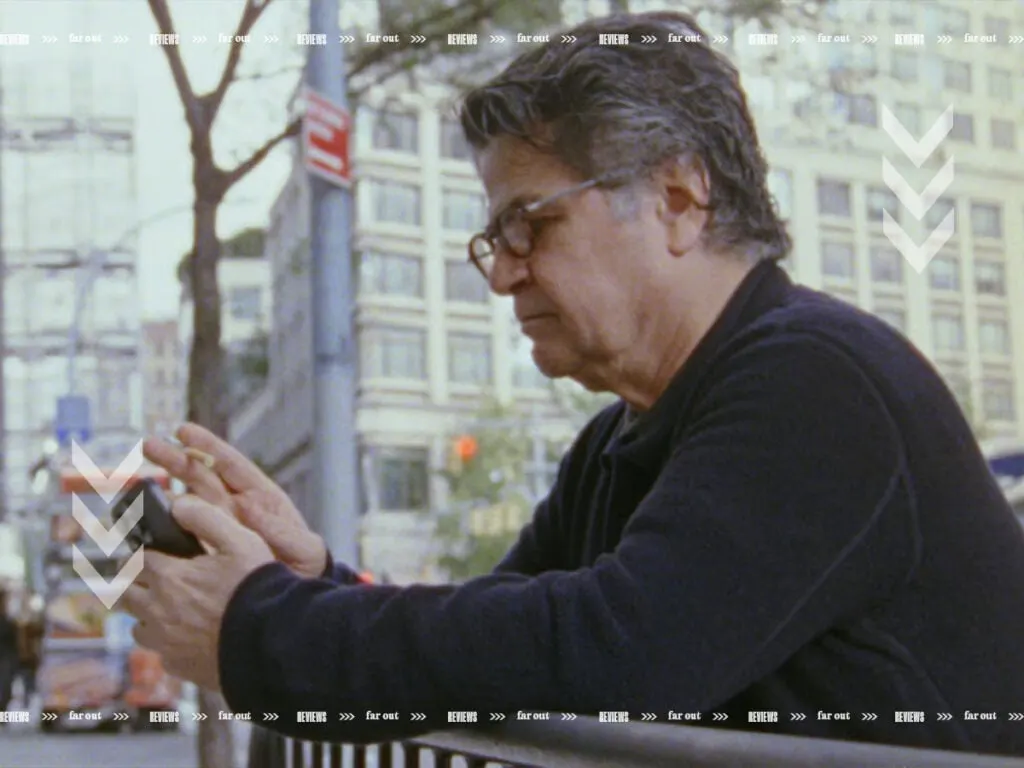
South of Tehran, an eight-minute short film directed by Brazilian filmmaker Kleber Mendonça Filho, offers an intimate portrait of Iranian director Jafar Panahi during a New York visit. Developed for the inaugural New York Film Festival Initiatives programme, the film documents Panahi whilst he attended cinema screenings in the city. The collaboration between the two acclaimed international auteurs is particularly significant, as both have faced considerable political persecution for their independent artistic work.
The short interweaves Mendonça's new footage with clips from Panahi's own films, notably his 2015 docudrama Taxi, in which he posed as a cab driver to interview residents. The film captures a striking contrast: in his own work, Panahi posed as an ordinary cab driver in Tehran, yet in New York he is treated as a celebrity, with young cinephiles seeking photographs with him. Both directors have endured political challenges—Panahi faced imprisonment in Iran for independent filmmaking, whilst Mendonça was boycotted in Brazil after comments on political events. The short reveals their shared, unwavering devotion to cinema, with Panahi displaying infectious charisma as he discusses his extensive knowledge of film, from obscure Iranian works to Steven Spielberg's 1970s classics.
- New short film celebrates two internationally acclaimed, politically persecuted filmmakers
- Captures Jafar Panahi's infectious passion for cinema and film knowledge
- Shows what unites two artists who have faced political challenges for their work
New here? Start with this
Jafar Panahi is an Iranian filmmaker whose work has made him both internationally acclaimed and politically persecuted. His films often document ordinary life in Tehran, offering intimate portraits of the city's residents, but his independent approach has led to his imprisonment and an official ban on his filmmaking. Despite these restrictions, he has continued to work and remains a respected figure in world cinema.
Kleber Mendonça Filho is a Brazilian director who has experienced similar professional hardship. Both men have faced censorship and official hostility in their respective countries for refusing to compromise their artistic vision. Their stories reflect a broader challenge: the struggle of independent filmmakers to create freely in politically restrictive environments.
The significance of these two persecuted artists collaborating lies in their shared commitment to cinema above all else. In the global film community, such partnerships represent solidarity among filmmakers who have sacrificed considerably for their art. Understanding their individual stories and the obstacles they have overcome provides essential context for appreciating why their work together carries weight.