Spain stocks African enclave Ceuta with boosted security as Morocco monitors calls for second border rush
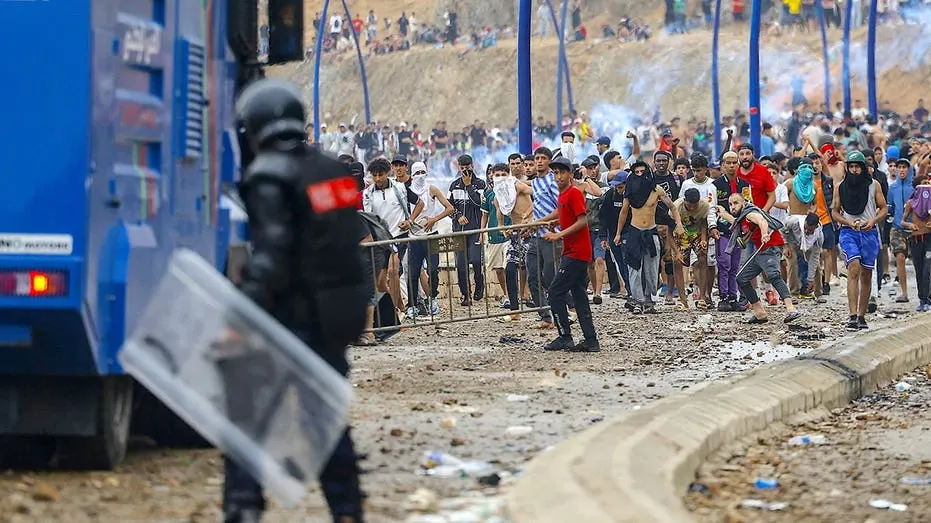
Spain and Morocco have increased security around Ceuta, a Spanish enclave on the north African coast, after social-media calls urged Moroccan migrants to attempt another mass crossing. The move reflects concern that a repeat of a recent border rush could strain relations between the two countries and intensify debate over migration and border control in Spain.
Ceuta is separated from Morocco by a heavily guarded land border and has long been a focal point for people seeking entry into Europe. Spanish and Moroccan authorities are monitoring the situation on their respective sides, with Spain treating any large-scale unauthorised crossing as a significant security and political issue.
- Spain and Morocco tighten Ceuta border security.
- Authorities fear another mass migration attempt.
- Ceuta remains a key gateway into Europe.
New here? Start with this
Ceuta is a small Spanish territory on the coast of North Africa, bordering Morocco. Along with the nearby enclave of Melilla, it is one of the European Union’s only land borders with Africa, making it an important route for people trying to reach Europe.
The border is fenced and closely controlled by both Spanish and Moroccan authorities, but large groups have occasionally tried to cross it without permission. Such incidents can create humanitarian and security pressures and often become a subject of political debate in Spain.
Spain and Morocco work together on border control, though migration can be a sensitive issue in their wider relationship. Morocco’s role in limiting crossings gives it significant influence in discussions with Spain and the European Union.
Both sides, in good faith
The strongest fair case each way — we don't pick a winner.
The case for
Supporters of the reinforced security argue that Spain has a duty to maintain an orderly, safe border, particularly when public calls could encourage a large and potentially dangerous mass crossing. They contend that early coordination with Morocco may prevent injuries, exploitation by traffickers and pressure on Ceuta’s limited public services, while protecting the integrity of immigration rules. This view places weight on public safety, state responsibility and managed migration.
The case against
Critics argue that treating prospective migrants primarily as a security threat risks overlooking the hardship, poverty or lack of opportunity that may drive them to attempt a perilous crossing. They say a heavily securitised response can increase the danger for vulnerable people and may lead to rushed or insufficiently scrutinised returns, so Spain and Morocco should pair border management with humane reception, asylum access and longer-term cooperation. This view places weight on human dignity, legal protections and addressing migration’s underlying causes.