‘Squashed poo’ a sign of water voles’ success
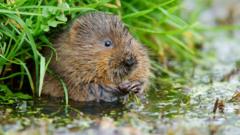
Water voles released into Surrey’s Hogsmill River last year appear to have survived winter and begun to spread, with conservationists finding droppings, burrows and chewed vegetation. The findings matter because the species had been locally extinct in the area for more than 20 years, and its return is viewed as evidence of a healthier river habitat.
South East Rivers Trust and Citizen Zoo released 42 water voles into the river and nearby Chamber Mead wetlands in July 2025. Surveys have found activity upstream and downstream of the release site, while camera traps and floating “latrine rafts” provide further evidence; conservation work also targets invasive mink, which can prey on roughly one animal a day. The UK has lost up to 90% of its water vole population since the 1970s, largely because of habitat loss and predation.
- Surrey water voles appear to be thriving after reintroduction.
- Signs include distinctive droppings, burrows and camera-trap evidence.
- Mink control and habitat restoration support the recovery.
New here? Start with this
Water voles are small native rodents that live beside slow-moving rivers, streams and wetlands. They are known for making burrows in riverbanks and eating waterside plants, and their presence can indicate that a waterway has suitable cover, food and clean enough conditions.
Numbers have fallen sharply across the UK since the 1970s. Loss of riverside habitat has reduced the places they can live, while American mink, an invasive predator, can kill water voles and has contributed to many local disappearances.
Reintroduction projects move water voles back to areas where they have vanished, alongside work to improve habitat and control mink. Signs such as flattened droppings, chewed plants and new burrows help conservationists judge whether released animals are settling, breeding and extending their range.