Star student rejected by 16 colleges, hired by Google, gets legal win in racial discrimination suit
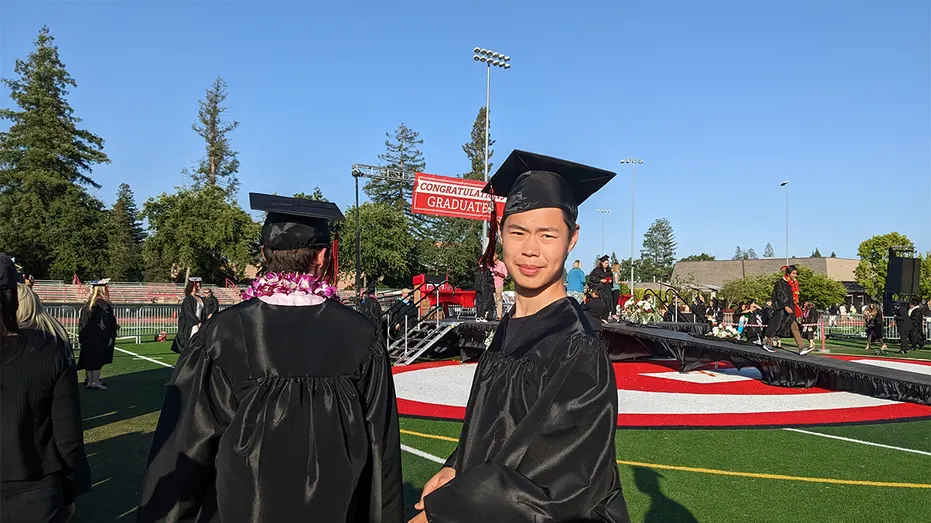
A federal judge has allowed part of a lawsuit alleging anti-Asian discrimination in university admissions to proceed against the University of Washington. The case, brought by Palo Alto father Nan Zhong and his son Stanley, concerns whether highly qualified Asian-American applicants were unfairly disadvantaged; the ruling permits the parties to seek evidence through the discovery process, but does not determine that discrimination occurred.
Stanley Zhong, now 21, was rejected by 16 of 18 universities despite a 1590 SAT score, a 4.42 weighted GPA and a technology start-up, before being hired by Google as a software engineer. Judge James L. Robart dismissed some claims and plaintiffs but allowed Stanley’s Title VI claim to continue; the university said admissions to its Allen School are highly competitive and that it prioritises Washington residents, meaning most out-of-state applicants are not admitted.
In short
- Part of an anti-Asian admissions discrimination case may proceed.
- The ruling allows evidence-gathering, not a finding of liability.
- University cites competitiveness and preference for Washington residents.
Steelman: both sides, in good faith
The strongest fair case each way — we don't pick a winner.
The case for
Supporters of the lawsuit argue that an applicant with Stanley Zhong’s exceptional academic record, technical achievement and subsequent employment by Google raises a legitimate question about whether Asian-American applicants may face an unfair barrier beyond merit. They contend that Title VI requires admissions systems receiving federal funding to be free from racial discrimination, and that discovery is an appropriate way to test whether apparently neutral criteria were applied consistently or had a discriminatory effect.
The case against
The university’s case is that extraordinary credentials do not create an entitlement to admission, particularly to a highly selective programme with far more qualified applicants than places. It argues that its preference for Washington residents is a lawful and central part of its public mission, and that rejection of an out-of-state applicant, however accomplished, is not evidence of racial discrimination; the judge’s ruling allows fact-finding rather than establishing wrongdoing.
Explained simply
The case concerns claims that Asian-American applicants were treated unfairly in university admissions. Stanley Zhong and his father say the University of Washington disadvantaged him despite his strong grades, test score and technology start-up. The university says places in its computer science programme are highly competitive and that it gives priority to Washington residents.
The case is being brought under Title VI, a US law that bars racial discrimination by institutions receiving federal funding. A judge has allowed Stanley’s claim to move into discovery, a stage when both sides can gather evidence; this does not establish that discrimination took place. The dispute matters because it may shed light on how universities make admissions decisions and how those decisions can be challenged.