Star Trek’s Best Spock Quote Perfectly Explains Why Sci-Fi Series Has Lasted Nearly 60 Years
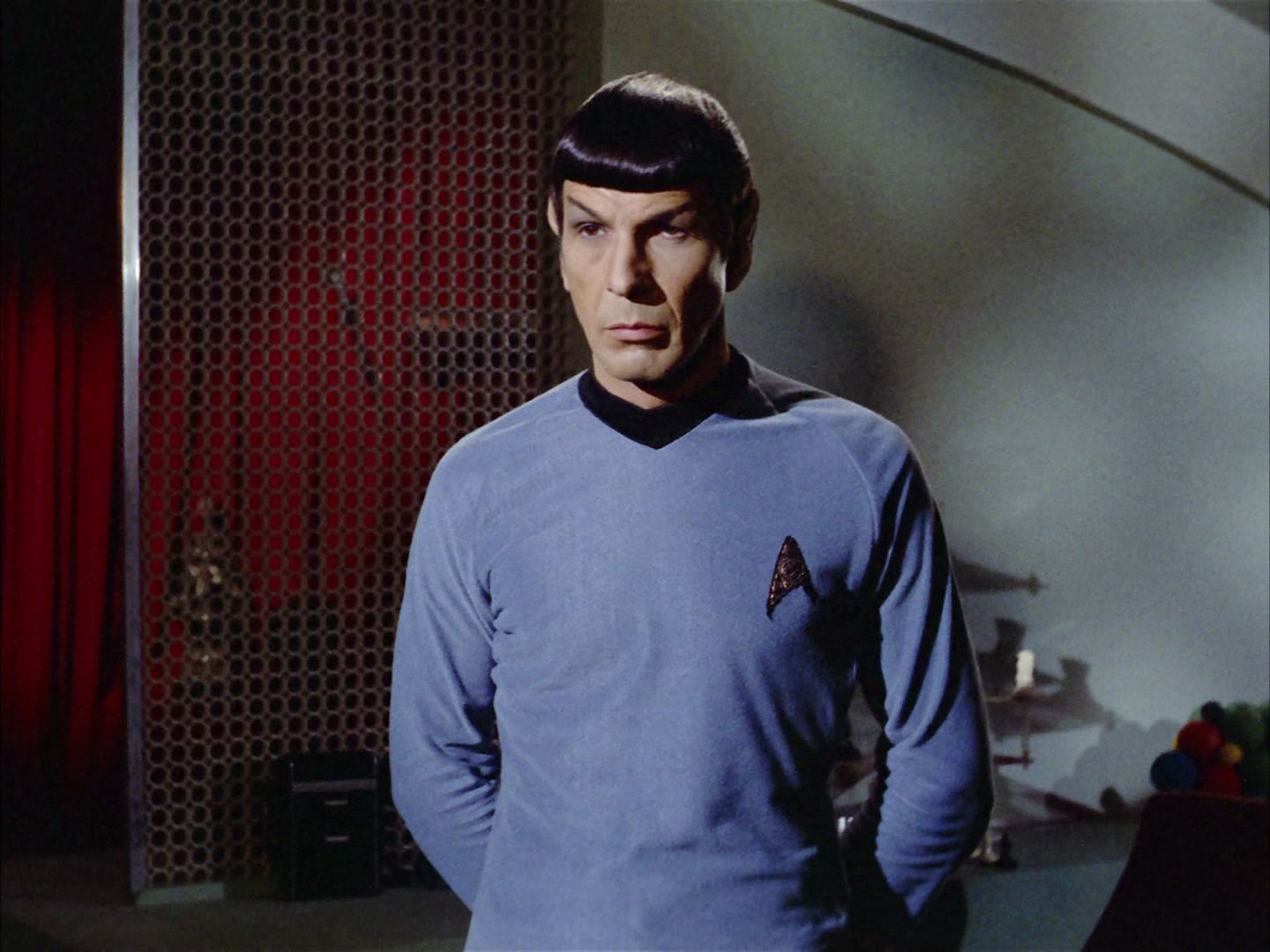
A 1969 Star Trek episode contains a brief Spock observation about the inevitability of change that encapsulates the science fiction franchise's enduring relevance over nearly six decades. Star Trek has continuously evolved across multiple series—The Next Generation demonstrated survival without the original cast, Deep Space Nine explored moral complexity, and recent streaming iterations like Discovery have modernised storytelling approaches. While each new series initially drew criticism from viewers claiming it abandoned authentic Star Trek, these same programmes eventually gained appreciation as audiences reconsidered their resistance to format changes.
The underlying principle applies to both the fictional universe and real-world fandom. Spock's character arc itself illustrated this truth, as he gradually developed from apparently logic-bound to emotionally integrated without abandoning his fundamental nature. Star Trek's longevity depends not on repetition of its 1966 blueprint but on consistent reinvention whilst preserving core ideals. This pattern reveals that the franchise's strength comes from adaptation rather than stasis, a lesson fans themselves have learned through accepting what they initially resisted.
- Spock's 1969 observation that 'change is the essential process of all existence' explains why Star Trek has survived nearly 60 years despite repeatedly reinventing itself
- Each series iteration—from The Next Generation through Discovery—faced initial backlash before eventual fan acceptance, demonstrating the franchise's adaptability as its core strength
- The quote applies equally to Spock's own character evolution and the fanbase's gradual recognition that creative transformation preserves rather than destroys the franchise