Surprisingly large number of people may have marker for tick-linked meat allergy
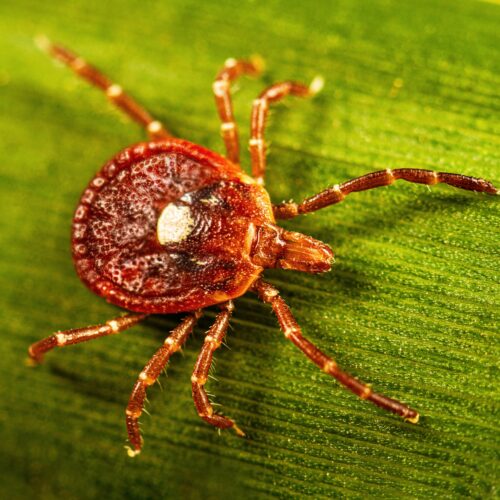
A new study examining blood donations across ten states reveals that antibodies linked to alpha-gal syndrome—an allergy to red meat triggered by lone star tick bites—appear far more frequently than previously estimated. In some regions, up to 30 percent of people carry the antibody, whilst the CDC had estimated only 0.14 percent of the population actually develops the allergic condition, suggesting a much larger population at potential risk.
Alpha-gal syndrome occurs when tick bites introduce a molecule called alpha-gal into the bloodstream, prompting the immune system to produce specific antibodies. However, researchers remain puzzled by the gap between antibody presence and actual disease: many people with the antibodies experience no allergic symptoms, whilst those who do suffer reactions that appear two to six hours after eating, making it difficult to identify meat as the trigger. The condition can cause reactions ranging from hives and gastrointestinal distress to severe anaphylaxis.
- Antibody markers for a tick-transmitted meat allergy appear in up to 30% of people in some US regions, vastly exceeding the number who actually develop the condition.
- Researchers remain uncertain why some people with alpha-gal antibodies develop allergic reactions while others remain asymptomatic.
- The allergy's delayed onset (2–6 hours after eating) complicates diagnosis and understanding of the disease mechanism.