Take-Two Boss Defends No Disc Version of GTA 6, Equates Physical Releases to Vinyl Records
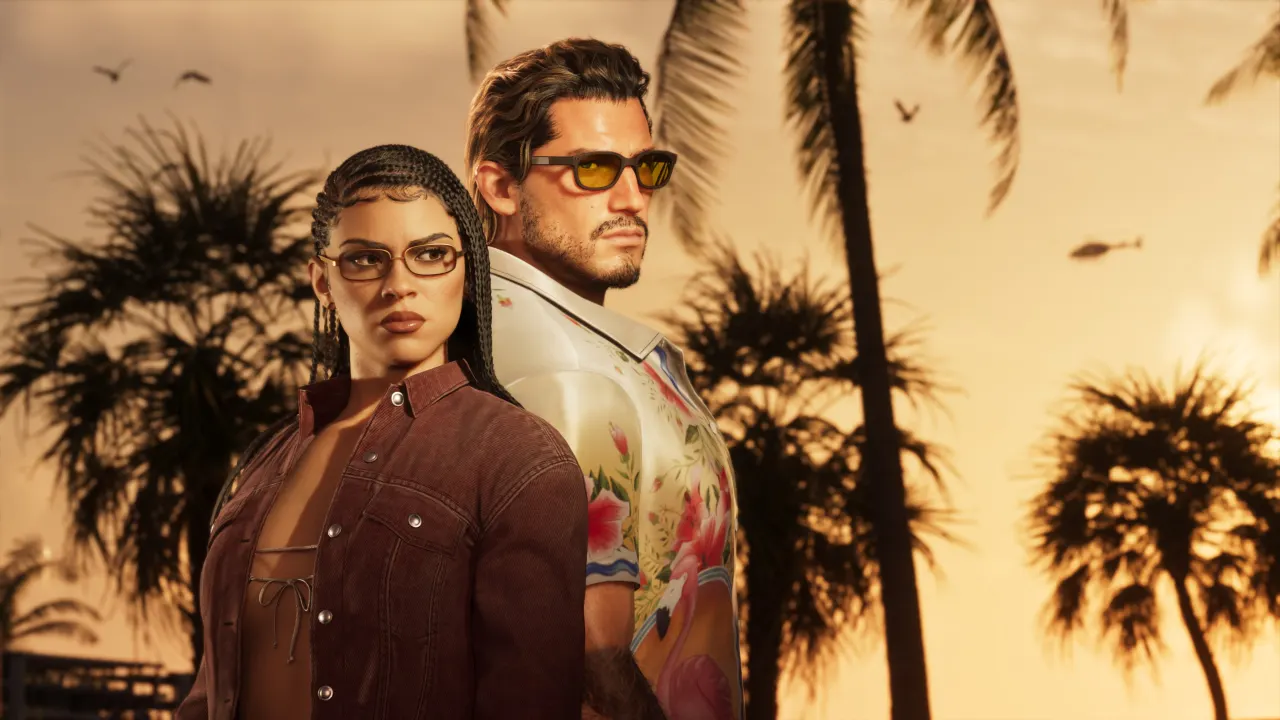
Take-Two chief executive Strauss Zelnick has defended the decision not to issue Grand Theft Auto 6 on a standard physical disc, arguing that digital downloads are more convenient for consumers already required to connect online. His comments add to the wider debate over ownership, game preservation and consumer choice as major publishers move further towards all-digital distribution.
Zelnick said more than 90% of Take-Two’s business is digitally distributed and compared occasional physical editions to vinyl records: still available for some buyers, but no longer central. GTA 6 is due to launch on 19 November 2026, while Sony plans to end PlayStation disc production from 2028; that decision has prompted petitions, calls for a boycott and criticism from the UK Entertainment Retail Association.
- Take-Two says GTA 6 discs are unnecessary in a largely digital market.
- Zelnick compares occasional physical releases to vinyl records.
- Sony’s planned end to PlayStation discs remains highly controversial.
New here? Start with this
Take-Two Interactive is the publisher behind the Grand Theft Auto series, and Strauss Zelnick is its chief executive. Grand Theft Auto 6 is the next instalment in the series, which is known for large open-world games; it is due out in November 2026.
Games can be bought as downloads or on physical discs. A disc can be kept, resold or lent, while a download is tied to a digital account and usually requires an internet connection; publishers increasingly sell games digitally, though some still offer physical editions.
The debate concerns how players buy and keep games, and what happens when companies stop making discs. It involves publishers and console makers such as Take-Two and Sony, as well as players, retailers and people concerned about preserving older games.
Both sides, in good faith
The strongest fair case each way — we don't pick a winner.
The case for
The shift to digital-only reflects where consumers have already migrated, with Take-Two's 90%-digital business showing genuine market preferences. Digital downloads offer immediate convenience whilst reducing environmental impact and manufacturing costs, matching modern expectations of always-online gaming and representing inevitable industry evolution.
The case against
All-digital distribution removes consumer protections and makes game preservation impossible; physical media represents actual ownership, whereas digital purchases are revocable licences that vanish when servers close. It also excludes those without reliable broadband, eliminates used-game markets essential for affordability, and concentrates pricing power in publishers' hands whilst disadvantaging lower-income consumers.