White House removes Taylor Swift song after copyright restriction
Developed over time first seen 2 months ago
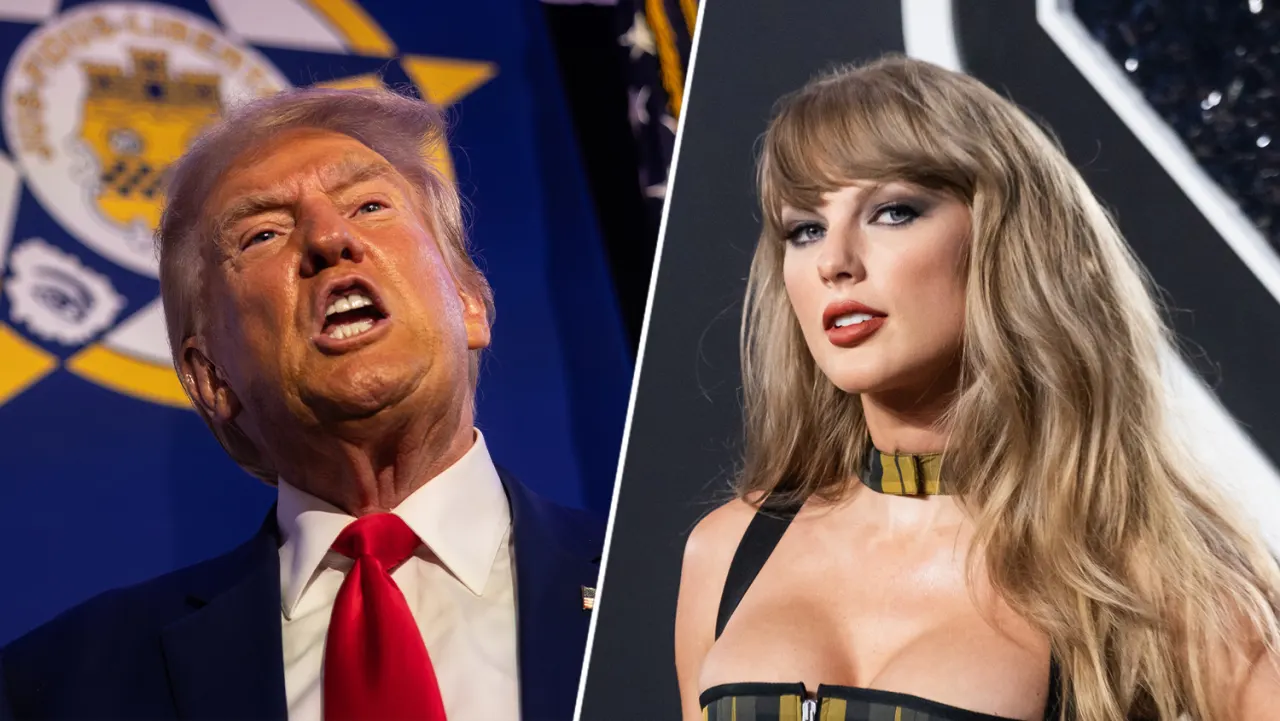
The White House TikTok account briefly used Taylor Swift's song "august" to mock the singer, then removed it after a copyright restriction was applied, before pivoting to another of her tracks to continue the taunting. The episode highlights the ongoing online friction between Donald Trump's team and Swift, whose political stances and music have repeatedly drawn the president's attention despite occasional gestures of goodwill.
A video posted to the account showed Trump and Melania Trump watching fireworks, captioned to mock Swift over the song's use; it was later replaced by a message stating the copyright owner had not made the audio available in the US, prompting celebratory reactions from Swift fans in the comments. Undeterred, Trump's social media team followed up with a separate TikTok using Swift's song "Red", joking about the colour's association with the Republican Party. The exchange followed a relatively calm period between the two camps after Trump, angered by Swift's endorsement of Kamala Harris, had nonetheless wished her well over her reported engagement to Travis Kelce.
- White House TikTok used Swift's "august", then pulled it after copyright block
- Trump's team then mocked Swift again using her song "Red"
- Episode reflects ongoing Trump-Swift social media friction since her Harris endorsement
New here? Start with this
Taylor Swift is one of the world’s best-known pop singers, with a large following on social media. Her songs are protected by copyright, meaning platforms such as TikTok can restrict their use when the rights holder does not allow a track to be used in a particular place or context.
Donald Trump is the US president and the leading figure in the Republican Party, whose traditional colour is red. Swift has at times become part of US political debate after publicly supporting Democratic candidates, including Kamala Harris in the 2024 election.
Trump and Swift have previously exchanged criticism online, attracting attention because of their large audiences and influence in popular culture and politics. Their dispute shows how political figures increasingly use music, celebrity references and social-media posts to communicate with supporters.
Both sides, in good faith
The strongest fair case each way — we don't pick a winner.
The case for
Supporters may argue that political communications teams are entitled to use popular cultural references, where licensing rules permit, to make official messaging more engaging and to answer criticism with humour. They may see the posts as light-hearted partisan banter rather than a serious attack, especially given that politicians and artists routinely comment on one another in public. On this view, removing restricted audio respects the platform’s copyright process while leaving room for robust political expression.
The case against
Critics may argue that using an artist’s work to celebrate a politician she has openly opposed risks implying her endorsement and turns copyright-protected art into a political taunt. They may regard repeated references to Swift as needlessly personal and incompatible with the dignity expected of an official White House account, particularly when it appears designed to provoke her fans. From this perspective, a copyright restriction is an appropriate safeguard against unauthorised political association and misuse of creative work.
More coverage
Celebrity Entertainment Government Music Politics Trending Weird & Viral
Read the full article at the source →
Originally published by Deadline as “Team Trump Trolls Taylor Swift With Song Use Before Copyright Claim Brings Silence”.