Team uses AlphaFold AI to redesign gene-editing proteins to make them safer
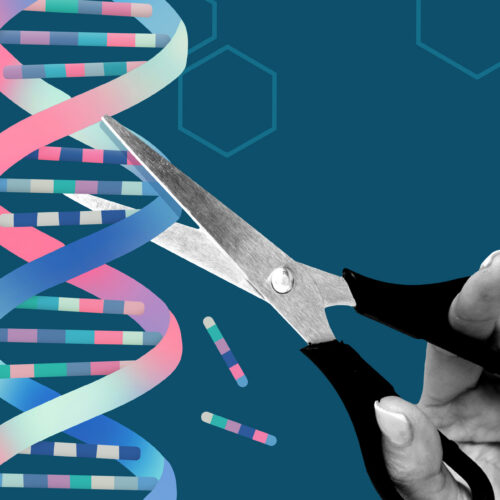
Researchers in China have used a modified version of AlphaFold to identify and redesign parts of CRISPR gene-editing proteins that contribute to unintended “off-target” DNA edits. The work could improve the safety of gene-editing therapies, where even rare errors become significant because treatment may involve editing large numbers of cells.
CRISPR systems use guide RNA to find a chosen DNA sequence, a Cas protein to bind it, and an editing protein to make the change. Although guide sequences are designed for specificity, Cas proteins can sometimes tolerate mismatches and bind similar sequences elsewhere in the genome; the researchers used structural predictions to pinpoint protein regions involved in these interactions and alter them to reduce unwanted editing.
- AlphaFold helped redesign CRISPR proteins to reduce unintended DNA edits.
- Off-target changes remain a major safety challenge for gene-editing therapies.
- The method targets Cas protein interactions with mismatched DNA sequences.