Average five-year mortgage rate reaches 6% for first time in three years
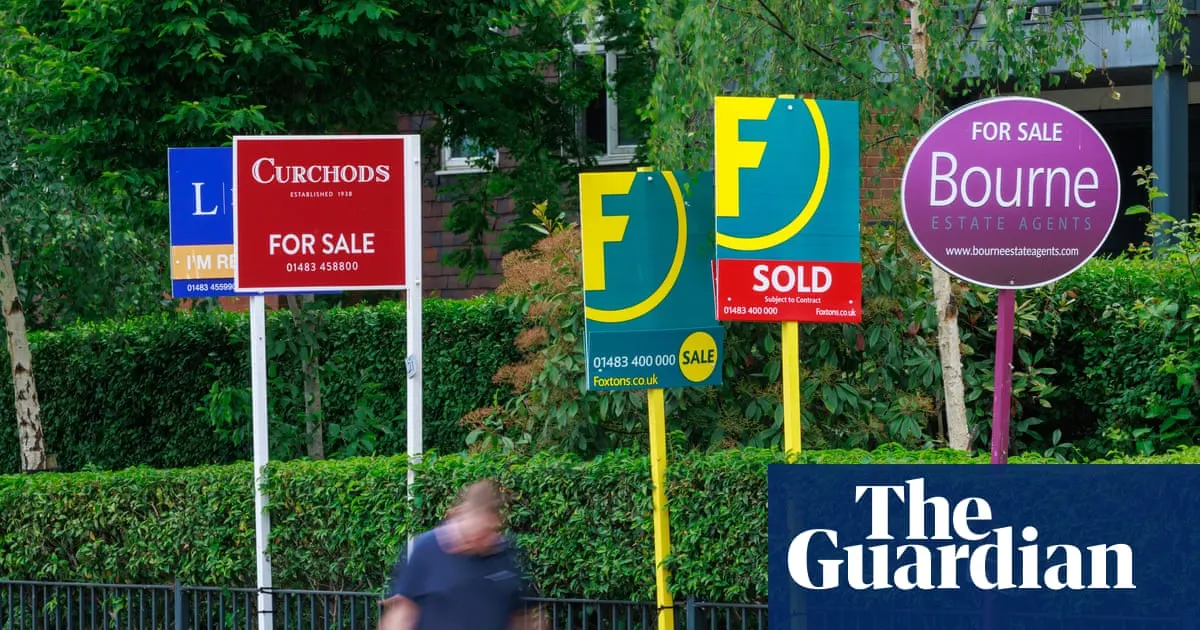
The average rate on a five-year fixed mortgage has reached 6% for the first time in three years, making borrowing more expensive for people buying or moving home. The rise could affect household finances and prompt some people to reconsider their plans.
Moneyfacts puts the average five-year fixed rate at 6.00%, its highest since September 2023. The average two-year fixed rate is 5.98%, the highest since December 2023; market uncertainty has increased the cost of loans for lenders.
- Average five-year fixed mortgage rates have reached 6%.
- Two-year fixed rates average 5.98%.
- Higher borrowing costs may change home-buying plans.
New here? Start with this
A mortgage is a loan you take out to buy a house, paid back over many years through monthly instalments. The interest rate on that loan determines how much you pay back in total, so when rates rise, your monthly payments become more expensive. This affects millions of UK households with mortgages, making changes to interest rates a matter of widespread concern.
Interest rates on mortgages are set by individual lenders based on broader economic conditions and what it costs banks to borrow money themselves. When there is greater uncertainty in financial markets, lenders typically raise their rates to protect against risk. Recent increases to 6% reflect growing caution among financial institutions about the economic environment.
For anyone buying a home or remortgaging, higher interest rates mean higher monthly payments and less purchasing power. This can prompt households to delay plans or scale back their ambitions, whilst people with existing fixed-rate mortgages will face higher costs when their deals expire and they take out new mortgages.
Read the full article at the source →
Originally published by The Guardian as “Tell us: are you affected by the 6% mortgage rate?”.